

Modern life is unimaginable without the telephone. Thanks to telecommunication, Bronx residents can stay connected with family and friends, check on their well-being, and address urgent matters. But have you ever wondered how telephony and communication services emerged in the Bronx? We delved into the history and uncovered fascinating details for you. More on bronx-future.
Means of Communication in the Bronx Before Telephones
The first telephone arrived in the Bronx in the late 19th century. Before this, residents relied on the telegraph, invented in the early 1800s. Before the 19th century, communication in New York City occurred through letters or messenger pigeons.
In 1832, Samuel Morse, a 41-year-old mathematician, artist, and professor at New York University, began experimenting with electromagnetism. Four years later, he conceived the idea of a single-wire telegraph. On January 6, 1838, Morse demonstrated the first telegraph prototype. Messages were transmitted using a series of dots and dashes, a code system developed by physicist Alfred Vail, Morse’s assistant.
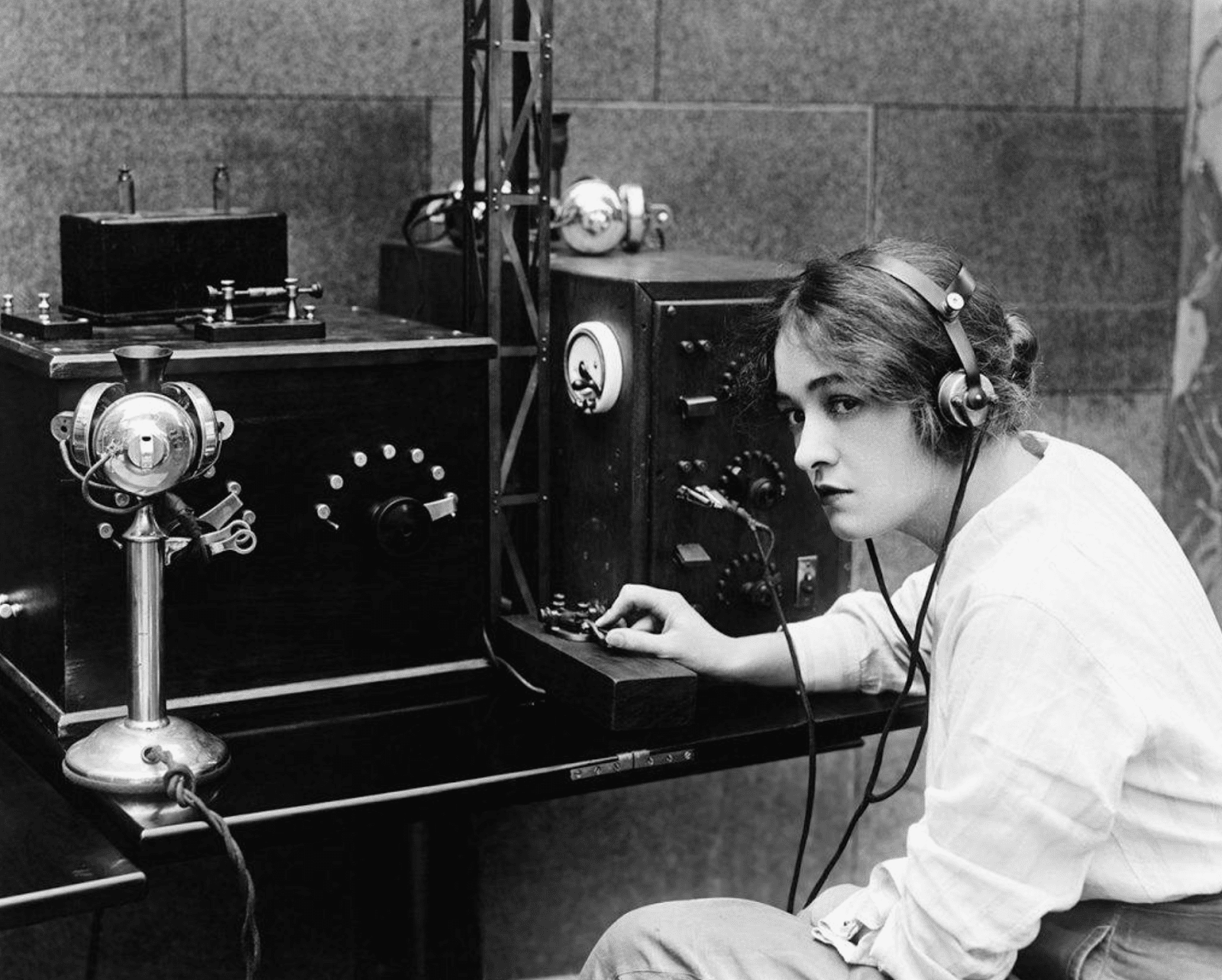
By June 1840, Morse secured a patent for his invention, though he lacked funds to build a telegraph line in New York. With Vail’s encouragement, Morse presented his prototype at universities and companies to attract investors. It wasn’t until a meeting with U.S. President Martin Van Buren that they secured funding. In 1842, Congress allocated $30,000 to construct a 38-mile telegraph line between Washington, D.C., and Baltimore, bypassing the Bronx.
The first successful telegraph message, “What hath God wrought,” was sent on May 24, 1844, from Washington to Baltimore. By 1845, the Magnetic Telegraph Company was established to expand lines between cities like Washington, New York, and Boston. This marked the advent of telegraph communication in the Bronx.
Telegraphs Replaced by Telephones
The first telephones were not invented in America. The origins trace back to Italian doctor Antonio Meucci, who accidentally discovered the transmission of sound through wires. While experimenting with electricity to treat a patient’s toothache, Meucci noticed the patient’s voice traveling along the wire. This led to the creation of the “telettrofono,” a precursor to the telephone.
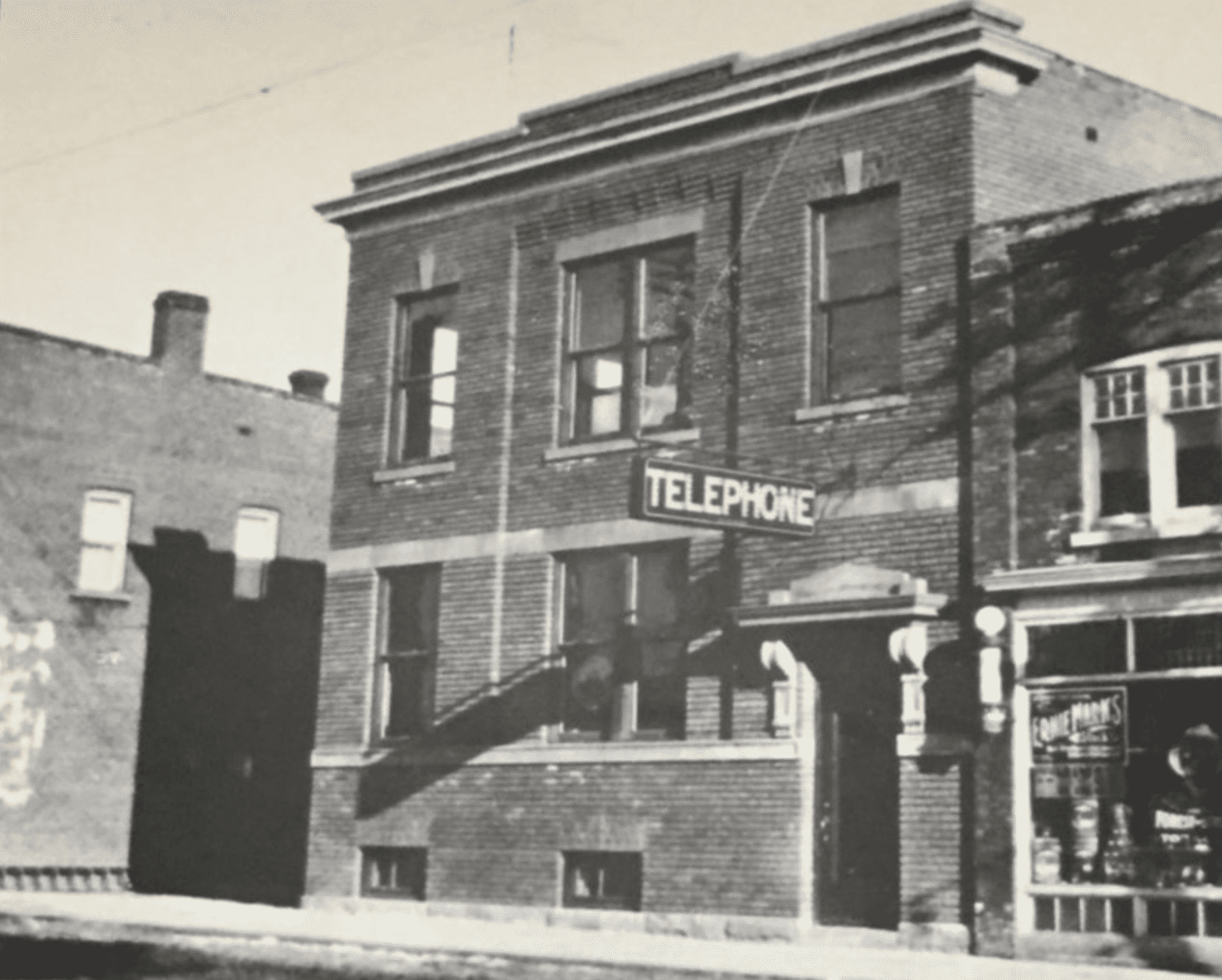
The modern telephone emerged later through international contributions, but Scottish inventor Alexander Graham Bell patented the first official telephone in 1876.
About “Bell Telephone Company”
Alexander Graham Bell founded Bell Telephone Company, which introduced telephone service to New York City in 1876. By the early 1900s, Bell Telephone dominated the Bronx and other boroughs. However, other companies like Western Union Telegraph Company, initially a telegraph provider, also ventured into telephony. Intense competition between these firms often led to patent disputes.
Bell’s dominance persisted, with the company overshadowing smaller independent telephone firms in the Bronx.
The First Mobile Phone Call by Motorola
On April 3, 1973, Martin Cooper, a Motorola engineer, stepped onto Sixth Avenue in New York City near the Bronx. Holding a large, milk-colored device, he made history by placing the first-ever mobile phone call. Cooper called a rival engineer, informing him of the achievement.
The Motorola Dynatac 8000X, the first commercially available mobile phone, cost the equivalent of $11,700 today. It could make calls for only 30 minutes, required 10 hours to charge, and could hold a charge for 12 days in standby mode. Weighing 790 grams (compared to the iPhone 14’s 172 grams), the phone was far from portable by modern standards but revolutionized communication.

Modern Telephones
In an interview with BBC News, Martin Cooper expressed dissatisfaction with the design of modern smartphones, criticizing their flat and plastic appearance. He envisions a future where artificial intelligence enables phones to monitor health, improve productivity, and enhance overall quality of life.
The Bronx, however, was slower to adopt telephony than other boroughs. Manhattan was the first to establish telegraph and telephone lines, while the Bronx lagged due to economic challenges.

By the 20th century, many Bronx residents couldn’t afford home telephones, relying instead on public phone booths. The 1990s saw rampant phone fraud, where residents received fake bills or were tricked into sharing personal data.
Today, organizations like The Bronx County Historical Society host exhibitions showcasing the evolution of telephony, including the first mobile phone. The New York Transit Museum, though based in Brooklyn, frequently exhibits in the Bronx, highlighting the borough’s infrastructure and communication history.