

In the 21st century, people cannot imagine life without the internet, but in the 20th century, television was its alternative. Television often conjures images of broadcast towers; however, the Bronx has never had one. This article explores the history of television in the borough and explains how it works. More details at bronx-future.
The Birth of the Television Industry
Television arrived in the Bronx in the 1930s, much like in the other boroughs of New York City. The industry’s growth was centered in Manhattan, home to New York’s major studios and broadcasters. Even in the 21st century, most broadcasting facilities remain in central areas, not the Bronx. New York’s main broadcast tower is currently on the One World Trade Center building, previously hosted on the Empire State Building.
In the 1930s, television was more experimental than structured. By 1939, the industry took a significant leap when RCA unveiled the first television set at a New York exhibition, a pivotal moment in commercial broadcasting. The Bronx quickly embraced this advanced technology. In the postwar era, televisions were considered a luxury in the Bronx, and neighbors would gather to watch the news, sports, and entertainment shows.
Television Growth in the 1960s-1980s
From the 1960s to the 1970s, televisions became commonplace in both affluent and low-income Bronx households. Only three channels—CBS, NBC, and ABC—were available at the time, broadcasting films, news, and entertainment. Sports programming, particularly baseball, gained immense popularity among Bronx residents, with the iconic Yankee Stadium being home to the New York Yankees.
Television had a profound impact on shaping the Bronx during this era. Broadcasts reflected societal changes, civil rights struggles, and the challenges faced by borough residents, including rising crime and economic decline.
By the 1980s, television underwent significant changes across New York City. The advent of cable and satellite broadcasting brought Bronx residents a more diverse range of channels, from general entertainment and news to specialized content about music, sports, and culture. Television played a crucial role in the Bronx’s cultural life during this period. For instance, the children’s show Sesame Street was filmed in New York, including parts of the Bronx, offering both kids and adults insights into their local community.
Television in the 21st Century
In the 21st century, television in the Bronx has undergone a dramatic transformation. Residents now enjoy access to international, national, and local channels. However, many, especially younger generations, are transitioning to digital platforms and streaming services like Netflix, Amazon Prime Video, and Hulu. Cable television is predominantly used by older residents, while smart TVs and streaming devices like Roku and Apple TV are increasingly popular, offering broader access to programming than traditional television.
Sports, particularly baseball, remains a staple of Bronx entertainment. Even in 2024, Bronx residents follow the Yankees, whose games are broadcast on the YES Network.

A vital aspect of Bronx television is its local channels, such as BronxNet, a community network offering news, cultural, and educational programming. BronxNet primarily broadcasts shows developed by borough residents, fostering a unique connection between the community and media. The channel plays a significant role in highlighting local initiatives, events, and cultural activities.
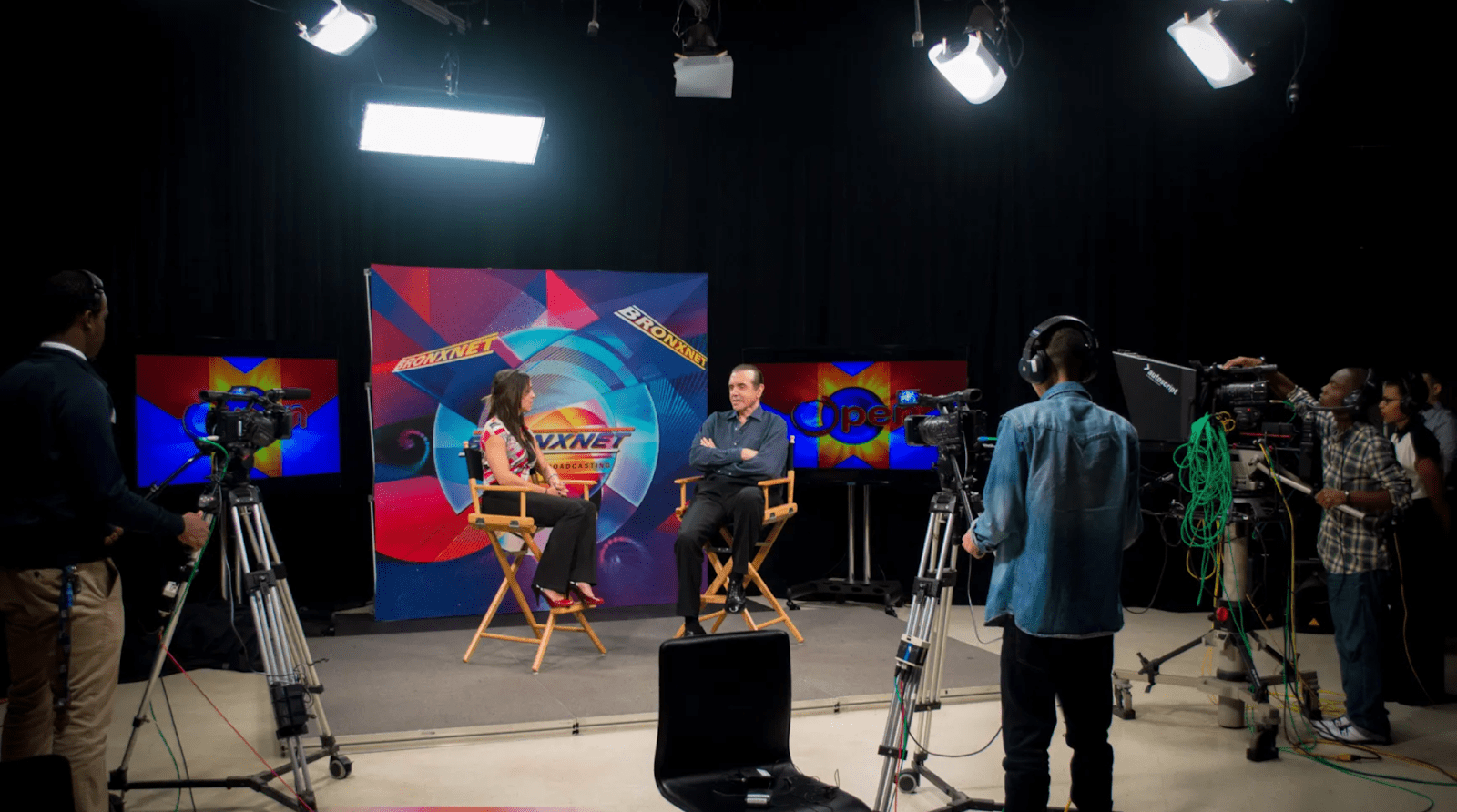
BronxNet operates several studios within the borough, including one at Hostos Community College. The network covers local political events, analyzes city council meetings, and trains aspiring media professionals. Its programming often explores cultural themes, reflecting the Bronx’s status as a hub for hip-hop and New York City’s cultural scene.
The Future of Television in the Bronx
As interactive services like Netflix and Amazon Prime Video continue to grow in popularity, traditional cable channels must innovate to retain viewership. Updating content and integrating with online platforms will be crucial for cable’s survival.
By 2024, television in the Bronx has taken a hybrid form, blending streaming platforms with traditional cable. With global and local channels readily available, residents stay informed about events in their borough, city, country, and the world. Importantly, community channels like BronxNet provide opportunities for residents to learn and engage with the media, ensuring a vibrant local media landscape.