

New York City Mayor Eric Adams and Governor Kathy Hochul have joined forces to help the city overcome a severe housing crisis. The situation is critical, with the current rental vacancy rate at just 1.4%. The “City of Yes” plan aims to build up to 80,000 new homes and make rent more affordable for residents across all five boroughs. It seems like a great initiative designed to support the public and improve living conditions. But, as they say, it’s not that simple. In this article, with the help of bronx-future.com, we’ll break down exactly what the government is proposing in this large-scale development plan and find out what Bronx officials and residents think about it.
Key Points of the “City of Yes” Plan
The main directions for implementing the “City of Yes” plan are:
- In low-density areas, larger buildings (up to 50 apartments) will be permitted, but only if a portion of the housing is designated as affordable for people with low and middle incomes. This is a new approach that expands inclusive development to all parts of the city.
- Changes to low-rise and transit-oriented housing will only apply to specific areas, taking flood concerns into account. This will ensure consistency with existing zoning and provide new housing in every part of the city.
- University campuses and similar complexes will be developed in a way that new construction matches the height of surrounding buildings and doesn’t harm playgrounds and recreational areas.
Given the scale and multiple focuses of the program, it’s clear that this is a significant challenge for the budget. The costs are high, but the results should justify the expenses.
Accompanying financial commitments of the “City of Yes” plan:
- $2 billion for the maintenance and renovation of affordable housing (including Mitchell-Lama, NYCHA, and HDFC projects);
- $2 billion for infrastructure upgrades (sewers, streets, open spaces);
- $200 million for repairing vacant NYCHA apartments;
- $215 million in additional CityFHEPS funding in 2025–2026;
- $187 million for housing for the homeless;
- $137 million for supportive housing within justice-related programs;
- $41 million to increase down payment assistance for homebuyers;
- $27.7 million for the HomeFix 2.0 program (home repairs for owners);
- $7.6 million to support the tenant anti-harassment program;
- $1.41 million annually to support tenant organizations.
In total, the city is allocating $5 billion to help build more than 80,000 new homes over 15 years (the original plan was for 109,000 units, but it was later reduced).
In addition, there are also plans to create 200 new full-time positions for the New York City Department of Housing Preservation and Development to support a range of development, planning, and enforcement functions for the “City of Yes” plan.
New Zoning
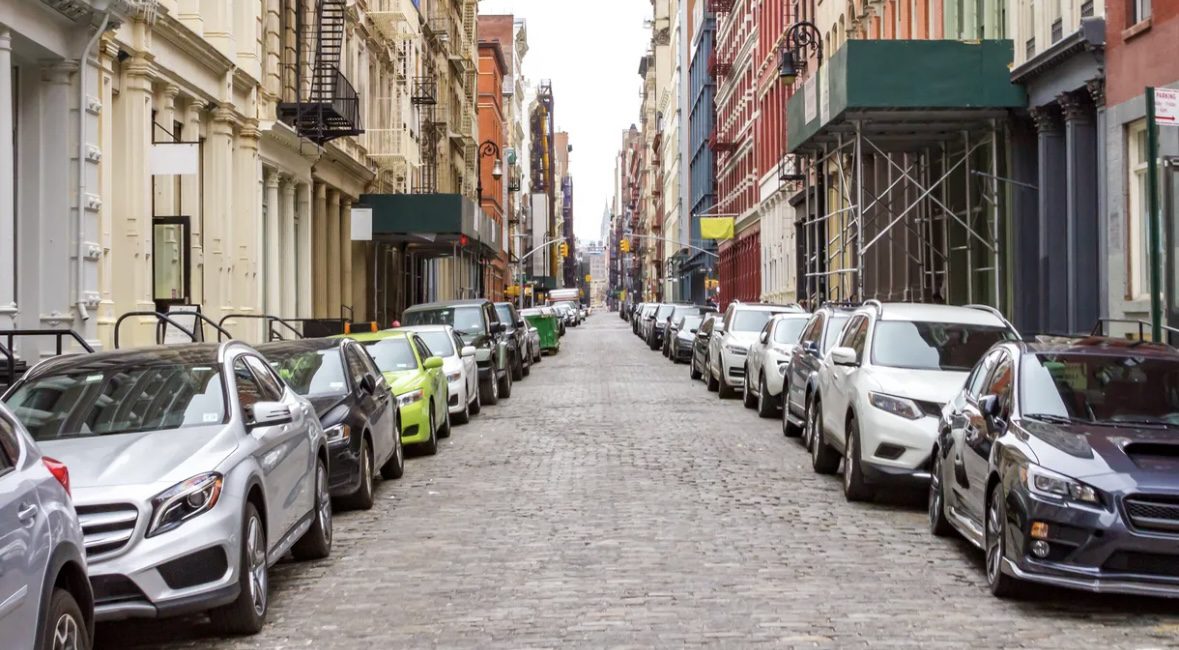
To create the conditions for high-quality, consistent development, the existing situation with parking zones in New York needed to be re-evaluated. After careful analysis and forecasting, it was decided to divide New York into three zones:
Zone 1: Parking is prohibited.
Zone 2: Parking is limited (the number of parking spaces will be reduced compared to the current situation).
Zone 3: Parking spaces remain unchanged (most current parking requirements are maintained, based on market demand).
Some types of development, such as Accessory Dwelling Units (ADUs), affordable housing, and buildings near public transportation, are exempt from parking requirements in all zones.
In the Bronx, the community opposed a complete elimination of parking regulations, as many neighborhoods don’t have access to convenient public transportation. As a result, most of the Bronx was placed in Zone 2, while the most remote areas were assigned to Zone 3.
Supporters of the “City of Yes” Plan in the Bronx
In November 2024, the “City of Yes” housing plan passed a crucial milestone—it was supported by two key City Council committees. All four Bronx representatives on the committees—Amanda Farías, Kevin Riley, Rafael Salamanca, and Pierina Sanchez—voted “yes.”
In 2025, several neighborhoods in the Bronx and Brooklyn, including Bronx Community Boards 7 and 12, began the land-use planning process as part of the large-scale housing program.
City Council Speaker Adrienne Adams called it an important step in combating the housing crisis, which is making life difficult for the middle and working classes:
“Our city’s residents need affordable and stable rental and ownership housing. Addressing this shortage, supporting existing homeowners and renters, deepening affordability, and strengthening neighborhood infrastructure are goals we must all share for a safer and stronger city.”
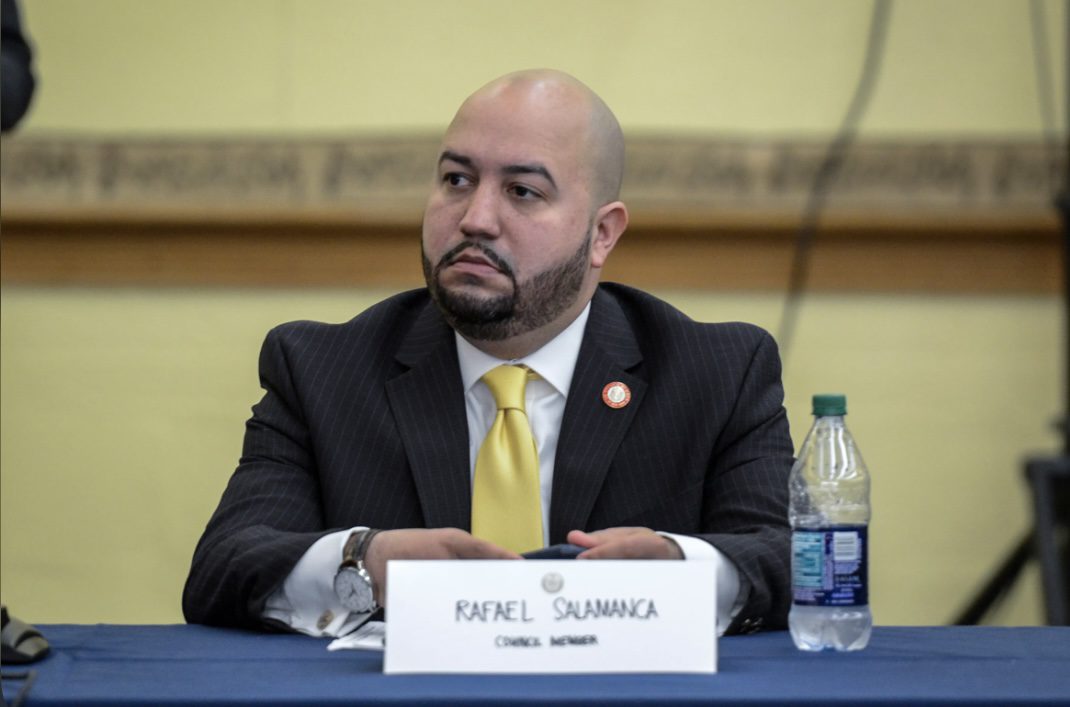
Rafael Salamanca, a candidate for Bronx Borough President, in turn, noted that the agreement was the result of lengthy negotiations and reflects a balance between community interests and the need for new housing.
Housing Committee Chair Pierina Sanchez also supported the agreement, stating that in a crisis, it’s important to be strategic and act boldly, even in the face of opposition. She emphasized that the housing problem affects New Yorkers’ lives in many ways—from the risk of losing their homes to being forced to leave their favorite neighborhoods.
The approved plan is the first large-scale housing project of its kind in the city’s history. Its implementation is expected to surpass the housing construction figures of the previous de Blasio and Bloomberg administrations.
Opposition to Mass Development in the Bronx
However, the “City of Yes” plan was initially met with distrust in several Bronx neighborhoods. Members of community boards in some districts expressed doubts about the zoning changes, though they acknowledged that the current rules are outdated and need to be updated. The main concerns were about potential difficulties for small businesses and a lack of community awareness.
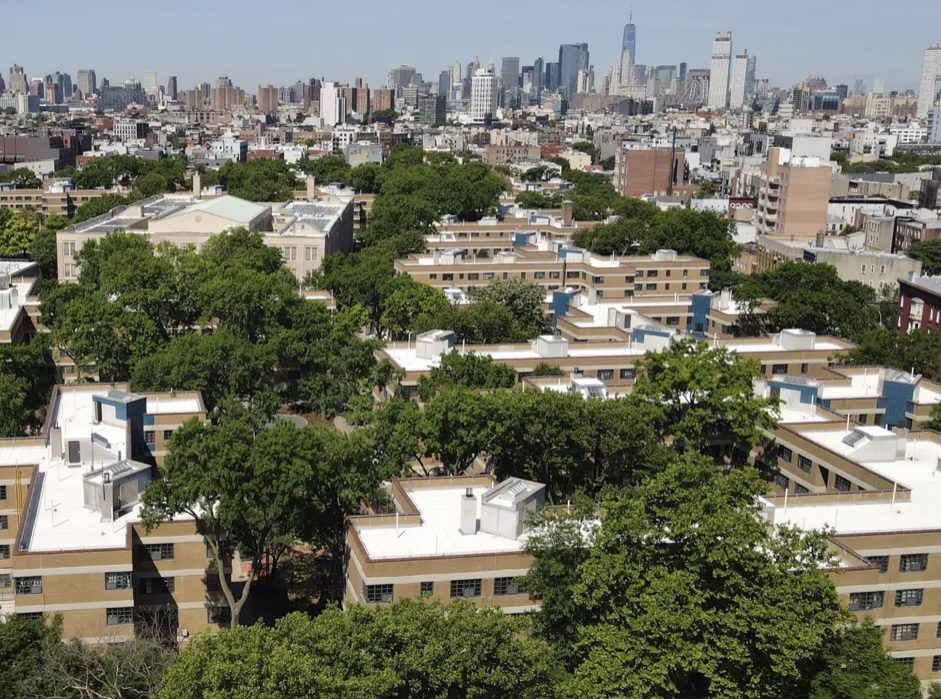
In July 2024, City Council members criticized the next steps of Mayor Eric Adams’s ambitious plan for development in the Bronx. In particular, the plan includes building 7,500 housing units and four new Metro-North stations. However, critics warn that the area chosen for development lacks adequate infrastructure, which could lead to problems.
In October 2024, residents of Bronx Community District 7, along with City Councilman Oswald Feliz and other officials, protested against plans to open a new transitional housing facility on Bainbridge Avenue, in the Fordham Manor neighborhood. People expressed concern that the Bronx is already oversaturated with homeless shelters and addiction treatment centers.
Many council members and community boards expressed concern about the rapid pace of the reforms. For example, Councilwoman Vickie Paladino called for a pilot program to be conducted first. She criticized the fact that the plan didn’t account for the consequences of flooding.
Furthermore, residents of densely populated areas worry that the changes will limit their access to natural light and air. The Adams administration stated that it is listening to feedback and plans to make adjustments to the plan.
Bronx Borough President Vanessa Gibson expressed support for the proposal but said she did not support the removal of parking restrictions.
Still, some council members, such as Kristy Marmorato from the Northeast Bronx, remain staunchly opposed to the initiative. She cites the concerns of her constituents who fear an overburdened infrastructure.
“If you’re going to bring more people into a neighborhood, you’re going to have to make sure you improve the infrastructure that’s already in place to fix the flooding issues from storms that we’re experiencing, to increase park spaces, to increase schools, and to increase funding for our firehouses and police precincts,” said Kevin Riley, who chairs the Zoning and Franchises Committee.
While some of the contentious points have been amended, opponents of the plan remain active. Despite the opposition, some borough leaders, including in the Bronx, Manhattan, and Brooklyn, generally support the reforms. They believe that only zoning updates will solve New York’s severe housing crisis. If the City Planning Commission approves the initiative in the fall of 2025, it will be submitted to the City Council for a vote.