

In a bustling city like New York, the question of where to go for entertainment rarely arises, given its countless artistic, recreational, and sporting venues. The real questions are what you want to see and how much time and money you’re willing to invest. If you’re a resident of the Bronx or a visitor, the Bronx Museum of the Arts is a must-see. This article from bronx-future.com dives into the museum’s rich history, architecture, and vibrant exhibitions.
About the Museum
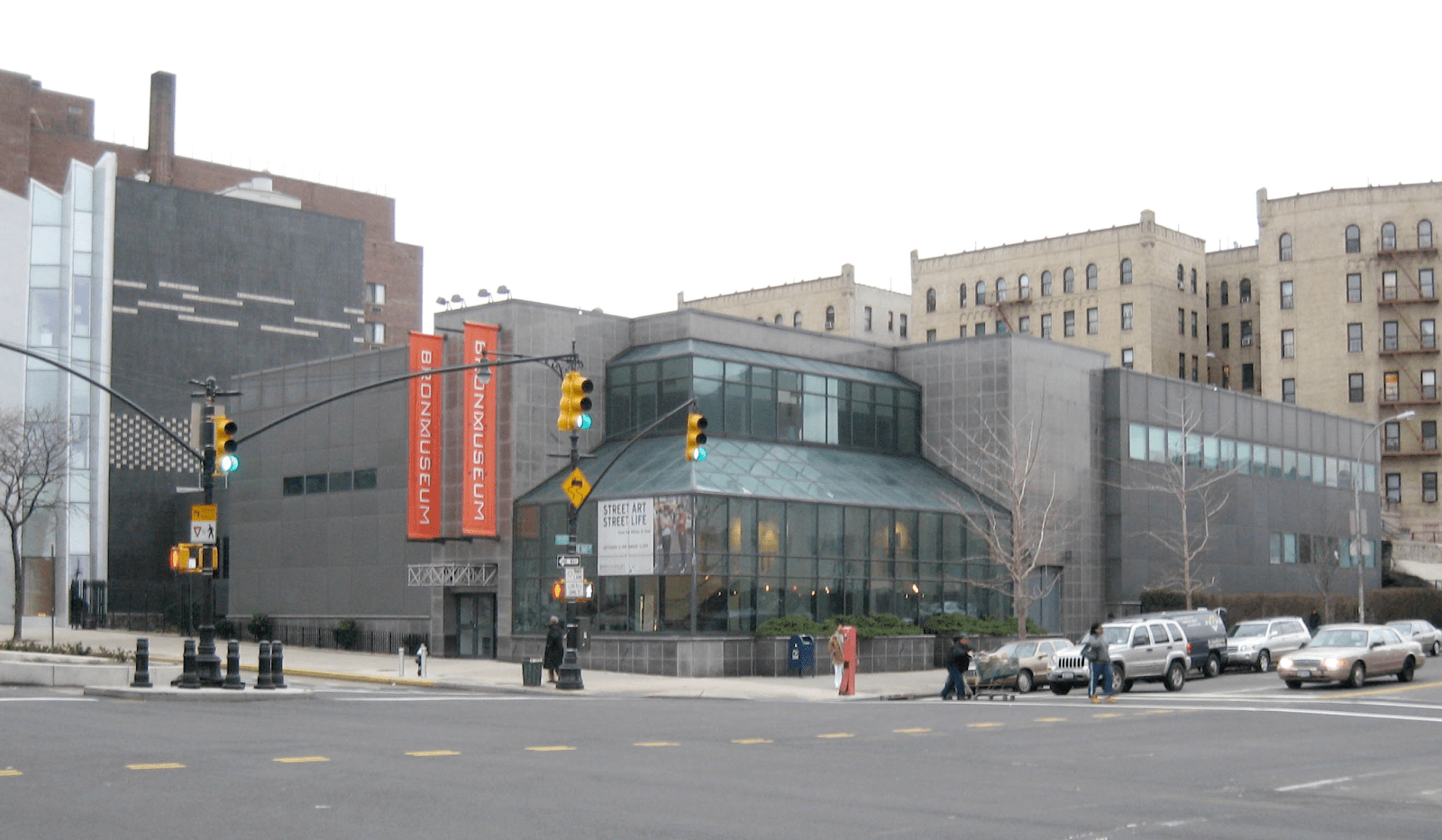
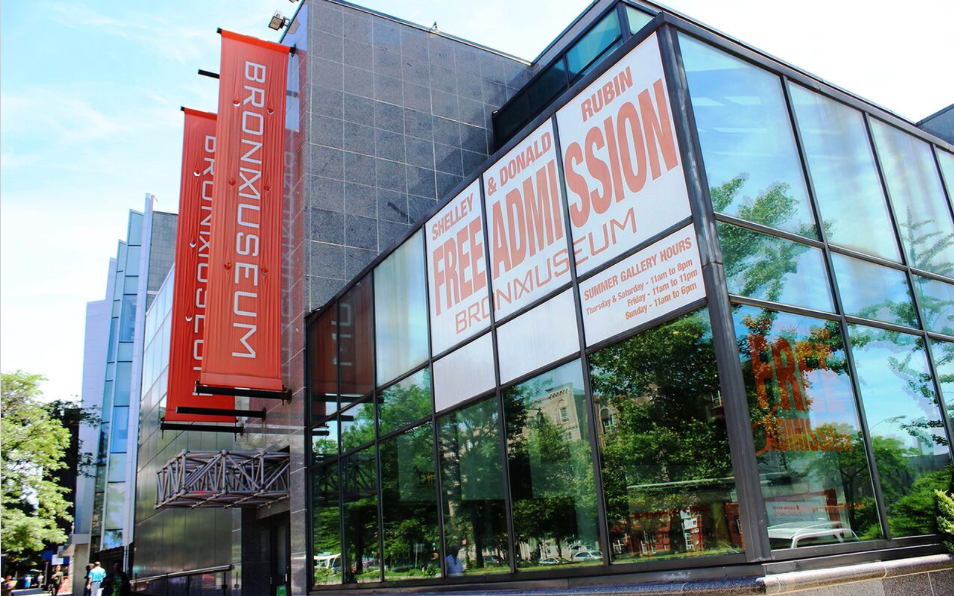
As James Gardner describes in nysun.com, the Bronx Museum of the Arts (BxMA), often simply referred to as the Bronx Museum, is a cultural cornerstone located at the northeast corner of 165th Street in the Concourse area of the Bronx. For orientation, it’s just northeast of Yankee Stadium. The museum boasts a collection that spans both modern and 20th-century works, showcasing talents from the U.S., Latin America, Africa, and Asia. Its diverse collection features over 800 paintings, photographs, sculptures, and works on paper. Whether you’re an art aficionado or just curious, the museum is a must-visit—especially on Fridays when admission is free.
The Museum’s Founding
The Bronx Museum was established to spark interest in design and art among the borough’s residents. It officially opened on May 11, 1971, thanks to the combined efforts of the Bronx Council on the Arts and the Metropolitan Museum of Art. Initially, the museum operated without a dedicated building, spreading its exhibitions across various locations in the Bronx.
Its early years saw it housed in the Veterans Memorial Hall on the first floor of the Bronx County Courthouse, a space specifically adapted for the museum. Other parts of the museum were distributed across neighborhoods like Co-op City, Bedford Park, and Allerton. Notably, a gallery in Allerton was even located in Beth Abraham Hospital, allowing patients and visitors alike to encounter art in an unconventional setting.
In 1982, the museum acquired the building of the Young Israel Synagogue, a structure designed by Ukrainian architect Simon B. Zelnik and built between 1959 and 1961. After renovations, the museum finally moved into its own permanent location in 1983. This move marked a significant turning point, granting the museum stability and allowing it to host regular exhibitions for its growing audience. Renovations were completed in 1988 at a cost of $5.8 million, providing the museum with a solid foundation for almost two decades of uninterrupted growth.
In 2004, the museum expanded further, initiating a project to construct an adjacent building at a cost of $19 million. This expansion increased the museum’s total size to 33,000 square feet. Completed in 2006, the new facility also included an educational center for local students and their families, further solidifying the museum’s role as a community hub.
Architectural Changes in the 1980s
While earlier museum spaces underwent only minimal renovations, the synagogue building underwent significant architectural changes under the direction of Castro-Blanco, Piscioneri & Feder. These renovations modernized the building’s exterior, adding black granite and metal finishes, continuous ribbon-like windows, and a three-story glass atrium serving as the museum’s lobby. Despite these updates, the design received mixed reviews, with some describing it as “awkward” or “gloomy.” Critics also noted the “cramped balconies” and a corner entrance reminiscent of a “suburban shopping mall.”
The New Building
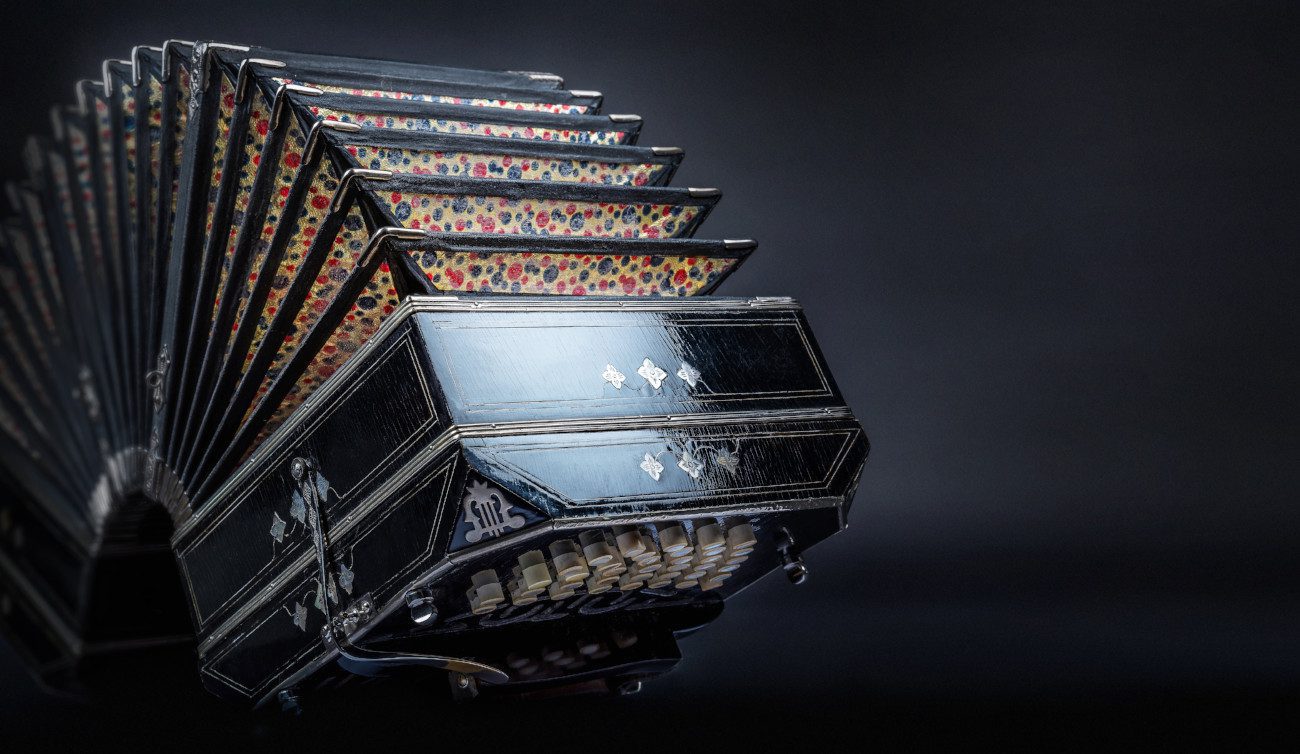
In the early 2000s, the museum embarked on an ambitious new construction project. The resulting building, designed by Miami-based Arquitectonica, featured a dynamic accordion-like structure resembling a bandoneon, the Argentine accordion synonymous with tango music. Arquitectonica’s Latin American-influenced modernism proved a perfect match for the Bronx, home to one of the largest Latin American communities in the U.S.
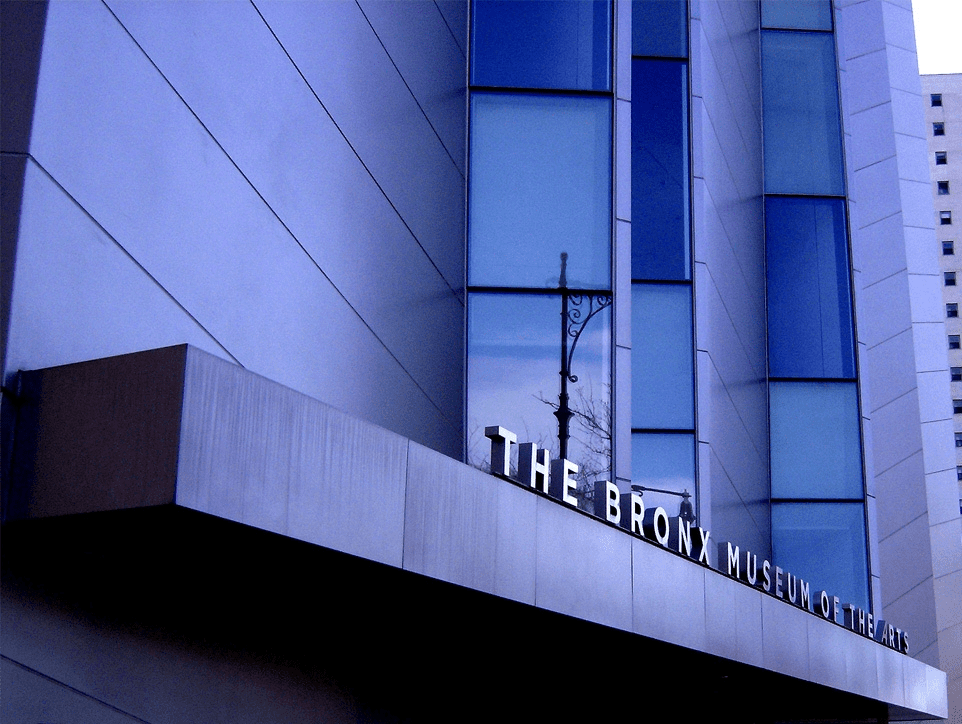
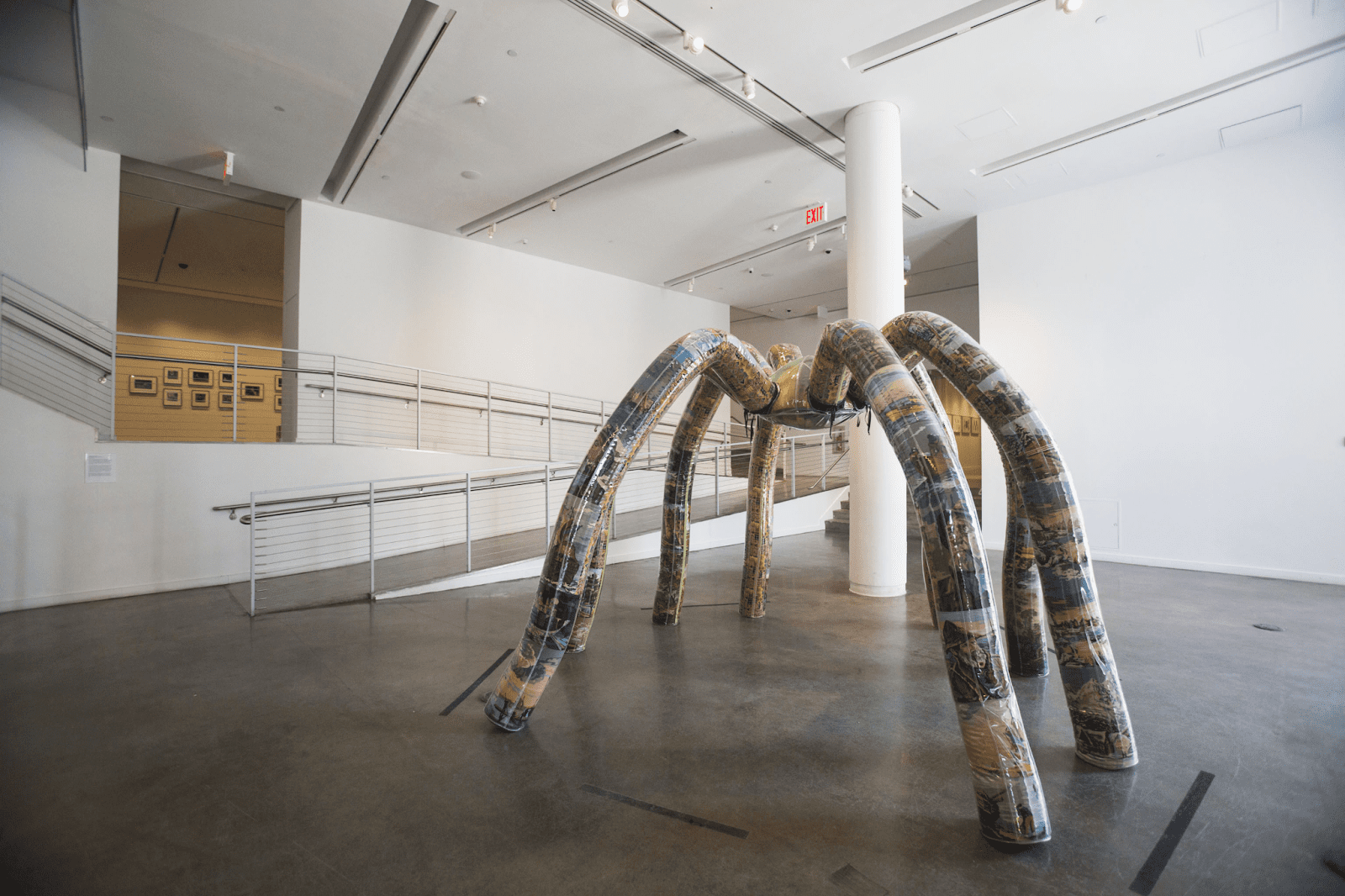
The new three-story building features a grand entrance, a two-story lobby, additional galleries, and expanded educational facilities. Its design incorporates a “pleated aluminum façade” divided into seven irregular vertical sections connected by fritted glass, giving the structure its distinctive accordion-like appearance. On one side, white and black concrete blocks echo the brick patterns characteristic of Bronx residential architecture. A sculpture garden graces the rear of the building, complementing its innovative design.
In 2016, the museum began yet another round of renovations, with an estimated completion date of 2020 and a budget of $25 million. The project was overseen by architect Monica Ponce de Leon.
The Museum’s Activities and Exhibitions
Since its inception, the Bronx Museum has hosted a wide range of exhibitions that reflect its mission to promote diverse cultural expression:
1986: Featured the “En Foco N1 Portfolio,” showcasing Puerto Rican experiences in New York.
1987: Highlighted the works of African American artist Romare Bearden and the emerging field of computer art.
2006: Exhibited “Tropicalia: A Revolution in Brazilian Culture” alongside Harlem-based artist Jamel Shabazz’s street photography.
2013: Represented the U.S. at the Venice Biennale with Sarah Sze’s installation “Triple Point.”
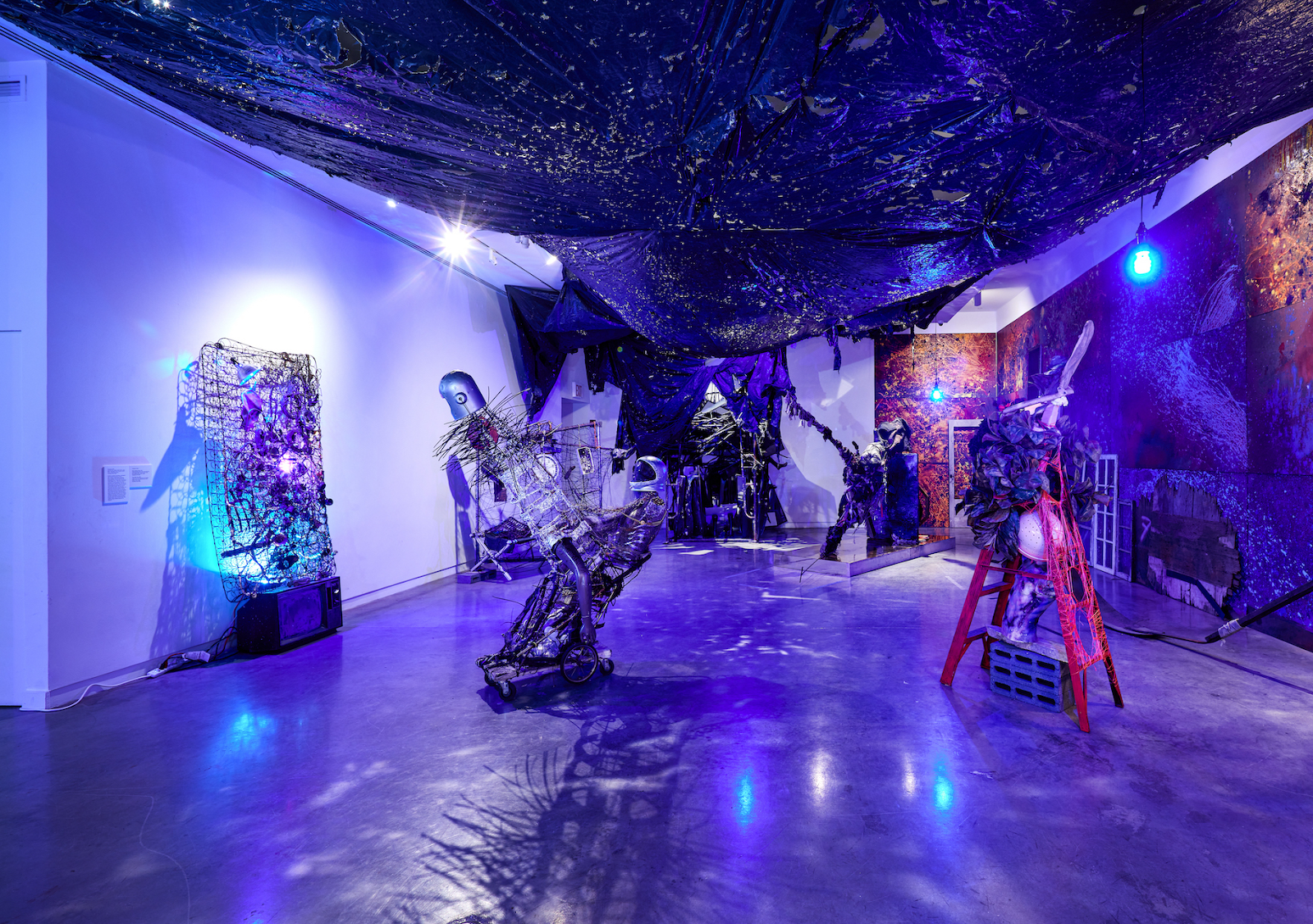
2015-2016: Presented a retrospective of Martin Wong titled “Martin Wong: Human Instamatic.”
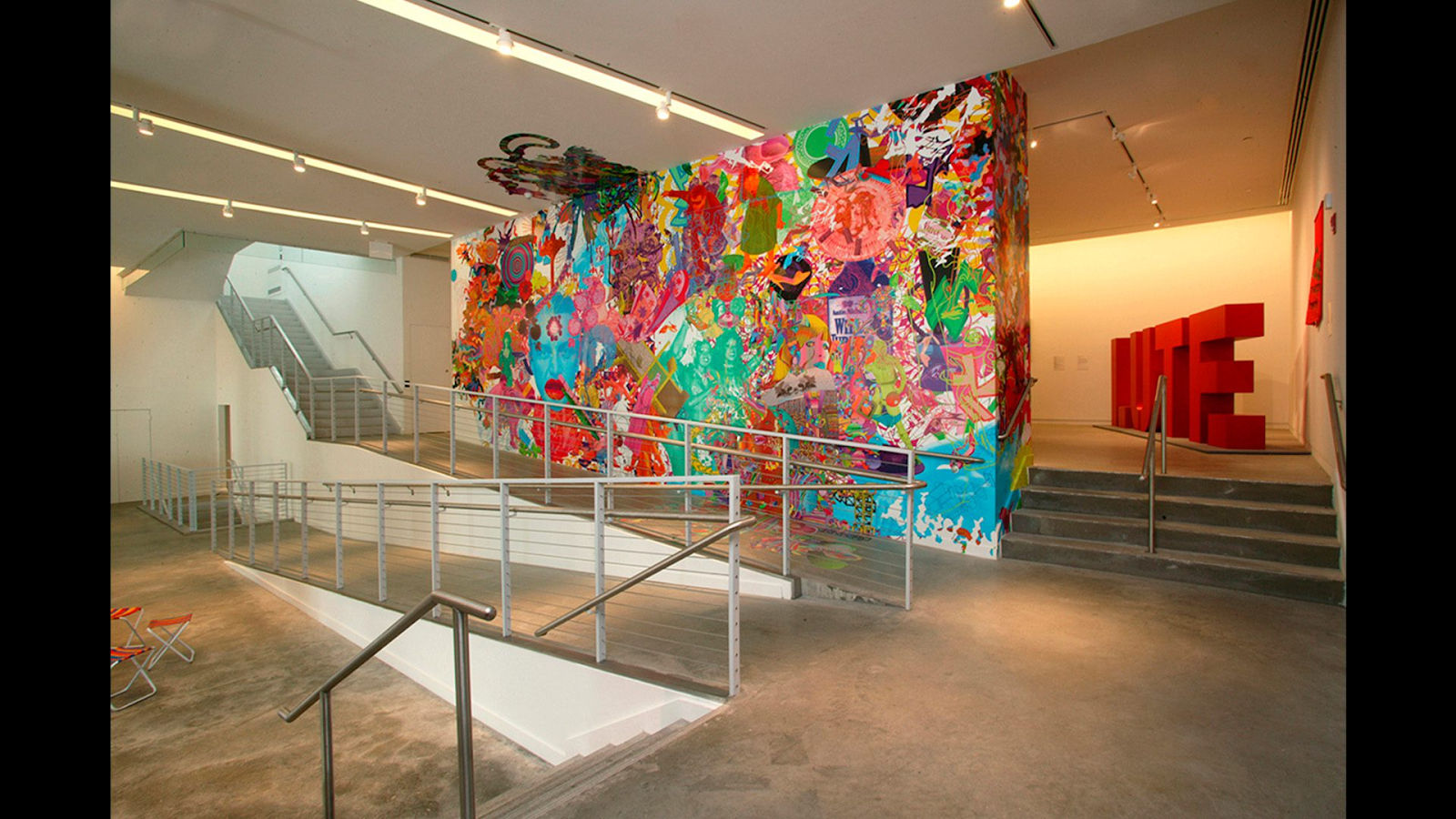
2016: Attracted numerous visitors with Frank Gimpaya’s exhibition “The Mask.”
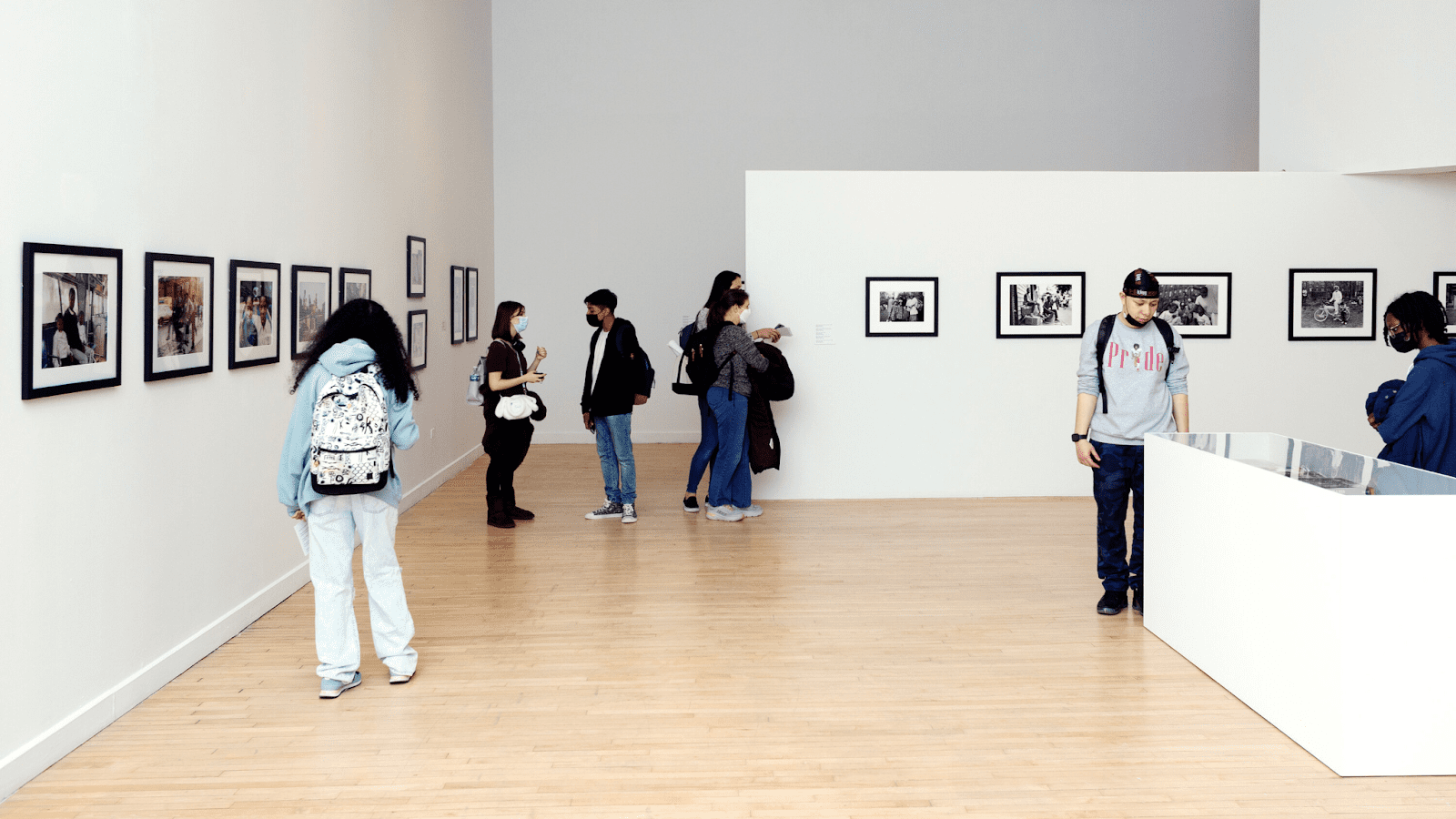
One of the museum’s hallmark programs is “Artist in the Marketplace”, an initiative that mentors emerging artists in professional development, helping them build communication and collaboration skills. Selected participants showcase their work in an annual exhibition at the museum, providing invaluable exposure and experience.
Final Thoughts
The Bronx Museum of the Arts is not just a place to view art but a dynamic space for cultural exchange and community engagement. Whether you’re a local resident or a visitor, the museum offers an enriching experience that celebrates the Bronx’s vibrant heritage and global connections.