

“Bam-bam-bam” – the drums resound! “Toot-toot-toot” – trumpets and horns echo! And alongside, a muffled roar of human voices rises and builds with each passing moment, filling the air around. “Ladies and gentlemen…” – the announcer’s voice booms. “What is this?” you might wonder. “Where am I?” If you’re unsure of where you’ve arrived and what this event is, let us clarify: these are the sounds of a baseball game at one of New York City’s iconic stadiums, located in the Bronx. Can you guess the place we’re describing? That’s right. It’s Yankee Stadium, also known as “The House That Ruth Built” or even “The Cathedral of Baseball.” Let’s delve deeper into the history and architecture of this masterpiece with bronx-future.com.
What Is Baseball?
First and foremost, it’s a game of millions, perhaps hundreds of millions. Baseball is predominantly played in the United States or in regions influenced by American culture. It’s a competition between two teams of nine players, taking turns playing offense and defense. The attacking team tries to score runs, while the defending team aims to prevent this. But surely, you already know plenty about baseball.
New York Yankees – The Start of a Star-Studded Journey
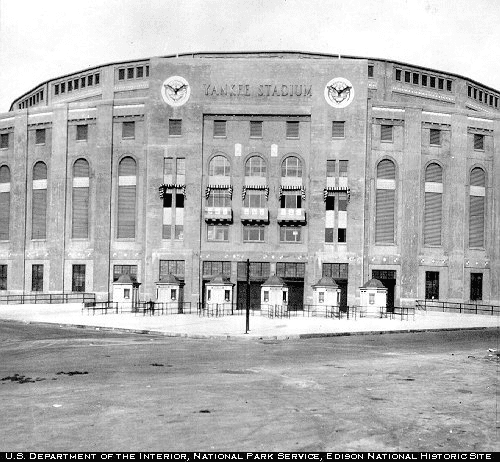
When talking about baseball, it’s impossible to ignore one of the most famous teams in the sport: the New York Yankees. Living in New York or anywhere in the U.S. and not knowing about this team seems unimaginable, even if you’re not a baseball fan. The Yankees are a fixture in films, books, advertisements, and conversations. They’re always in the press, on billboards, and perhaps even a favorite topic for your grandmother, who might be a die-hard Yankees fan.
Interestingly, this legendary team didn’t originate in New York but in Baltimore, Maryland, back in 1901. Initially known as the Baltimore Orioles, the team relocated to New York in 1903, where it was briefly called the New York Highlanders. It wasn’t until 1913 that they became the New York Yankees, marking the true beginning of their storied legacy.
Planning the Stadium: Why the Bronx?
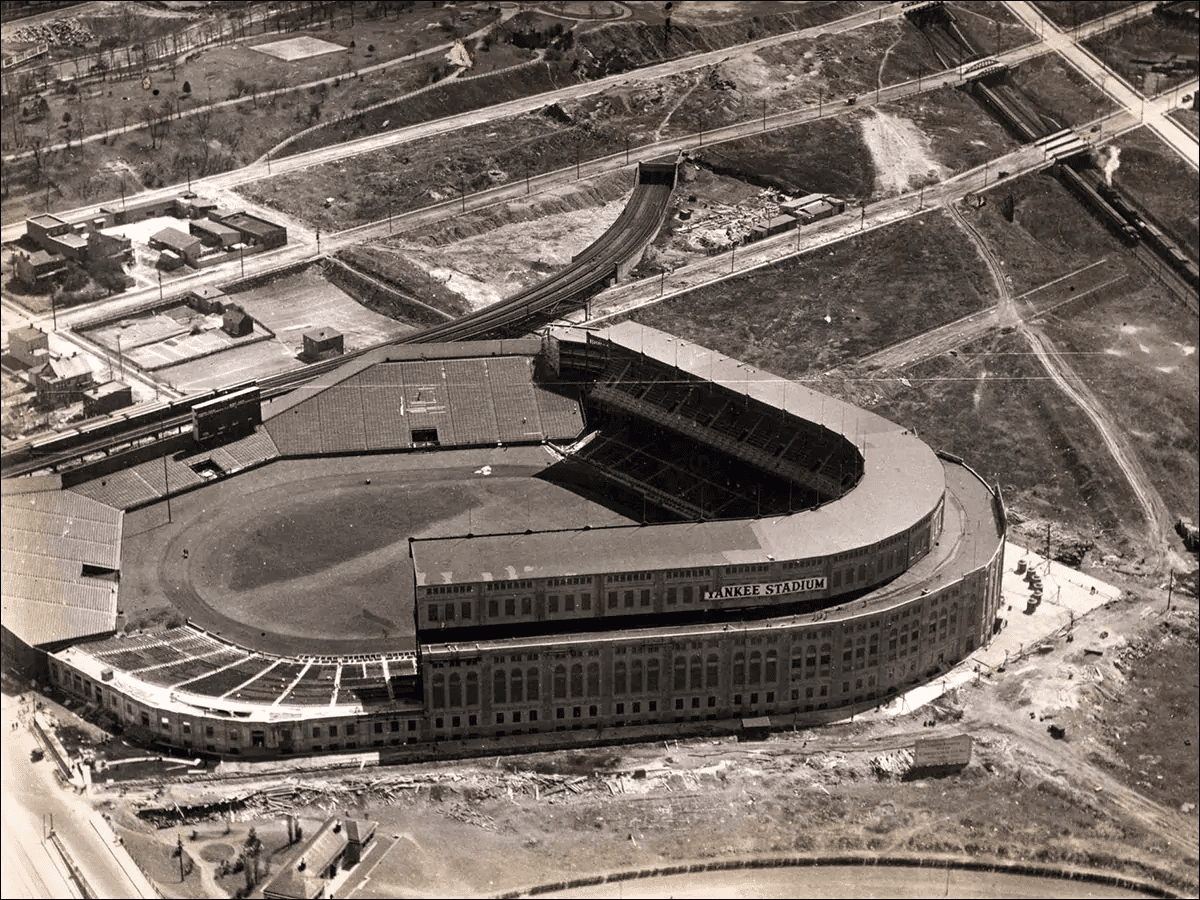
The Yankees originally played at Polo Grounds in Upper Manhattan. However, they shared the venue with their rivals, the New York Giants, which was far from ideal. In the 1920s, with the Yankees gaining prominence, drawing star players, and amassing large crowds, the Giants suggested they move “to Queens or another remote area.”
The Yankees’ owners searched extensively for a suitable site for a stadium. Locations on Amsterdam Avenue between 136th and 138th Streets, Manhattan’s West Side, and Long Island City in Queens were considered. They aimed to build a stadium with a 60,000-seat capacity, unlike the typical 30,000-seat venues of the time.
Eventually, they found a 10-acre (4-hectare) lumberyard in the Bronx for $600,000 (equivalent to $9.7 million today). Why the Bronx? At the time, the Bronx was undergoing rapid development, with new subway lines and a growing population. Building the stadium here transformed the area into an entertainment hub, enhancing its appeal.
Construction and Changes Over the Decades
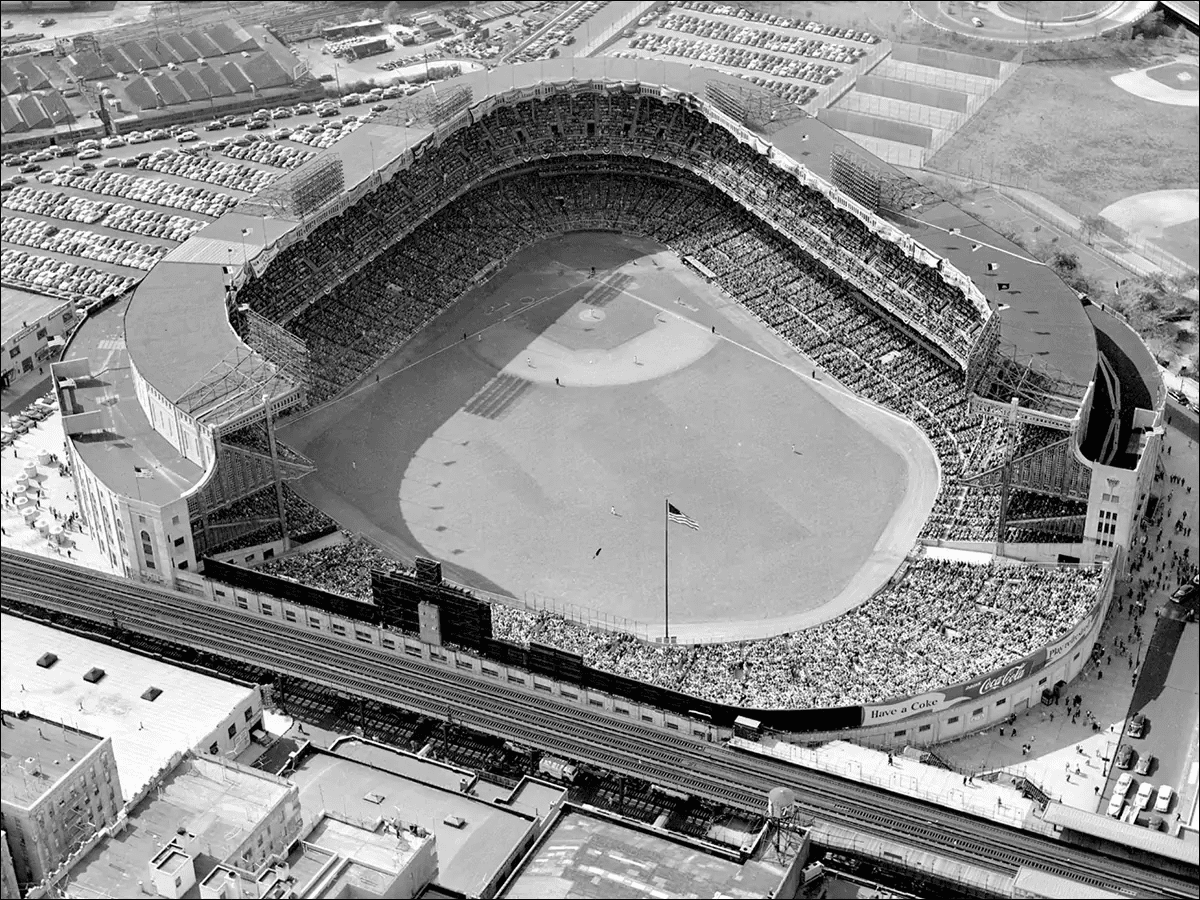
Construction of Yankee Stadium began on May 5, 1922, and just a year later, it opened its gates to fans. The structure’s walls were made of concrete, with a mix developed by Thomas Edison. Approximately 20,000 cubic yards (15,000 cubic meters) of concrete were used.
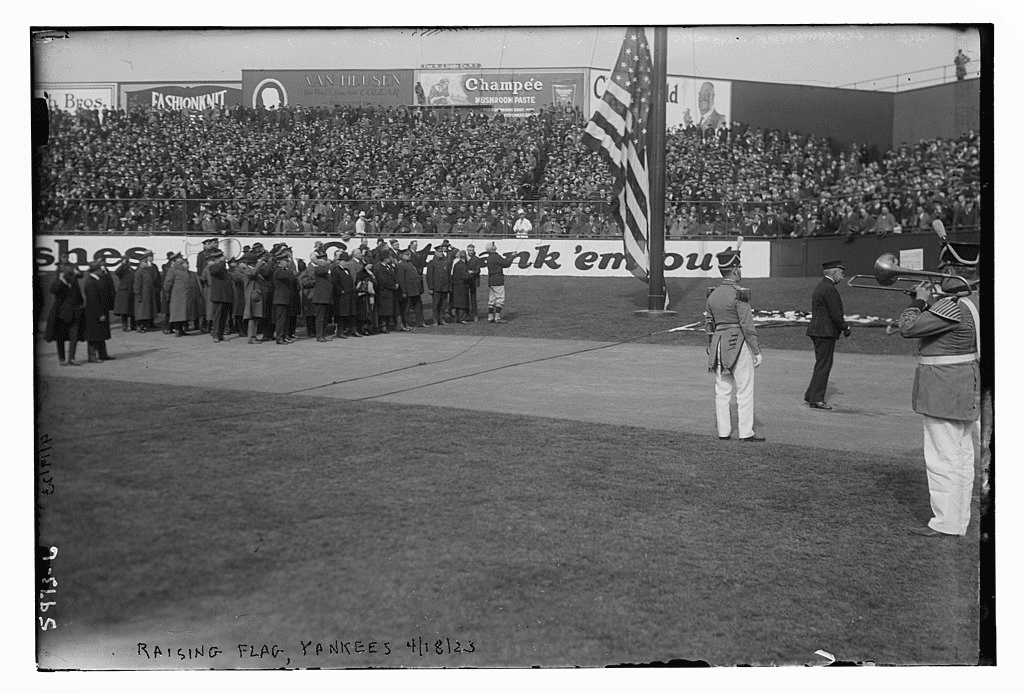
The stadium officially opened in April 1923, with the Yankees playing against the Boston Red Sox. The atmosphere was filled with the scent of fresh grass, paint, and plaster.
Yankee Stadium was the first three-tiered stadium in the U.S., accommodating 58,000 spectators. It featured a 400-meter track and strategically angled stands. Over the years, upgrades included replacing wooden stands with concrete in the 1930s and repainting the exterior and interior in the 1960s. Despite these efforts, by the 1970s, the stadium required significant repairs as concrete began crumbling.
Major Renovation in 1973
In 1973, Yankee Stadium underwent a massive renovation. While the exterior remained unchanged, significant updates were made:
- Removal of 118 support columns that obstructed views.
- Replacement of the iconic frieze roof with a new design and modern lighting.
- Lowering the field for better visibility.
- Addition of escalators and ramps for easier access to upper tiers.
- Installation of wide plastic seats.
- Expansion of the upper deck by 9 rows.
- Creation of luxury boxes and a replay screen.
After these updates, the stadium had a capacity of 57,545 seats.
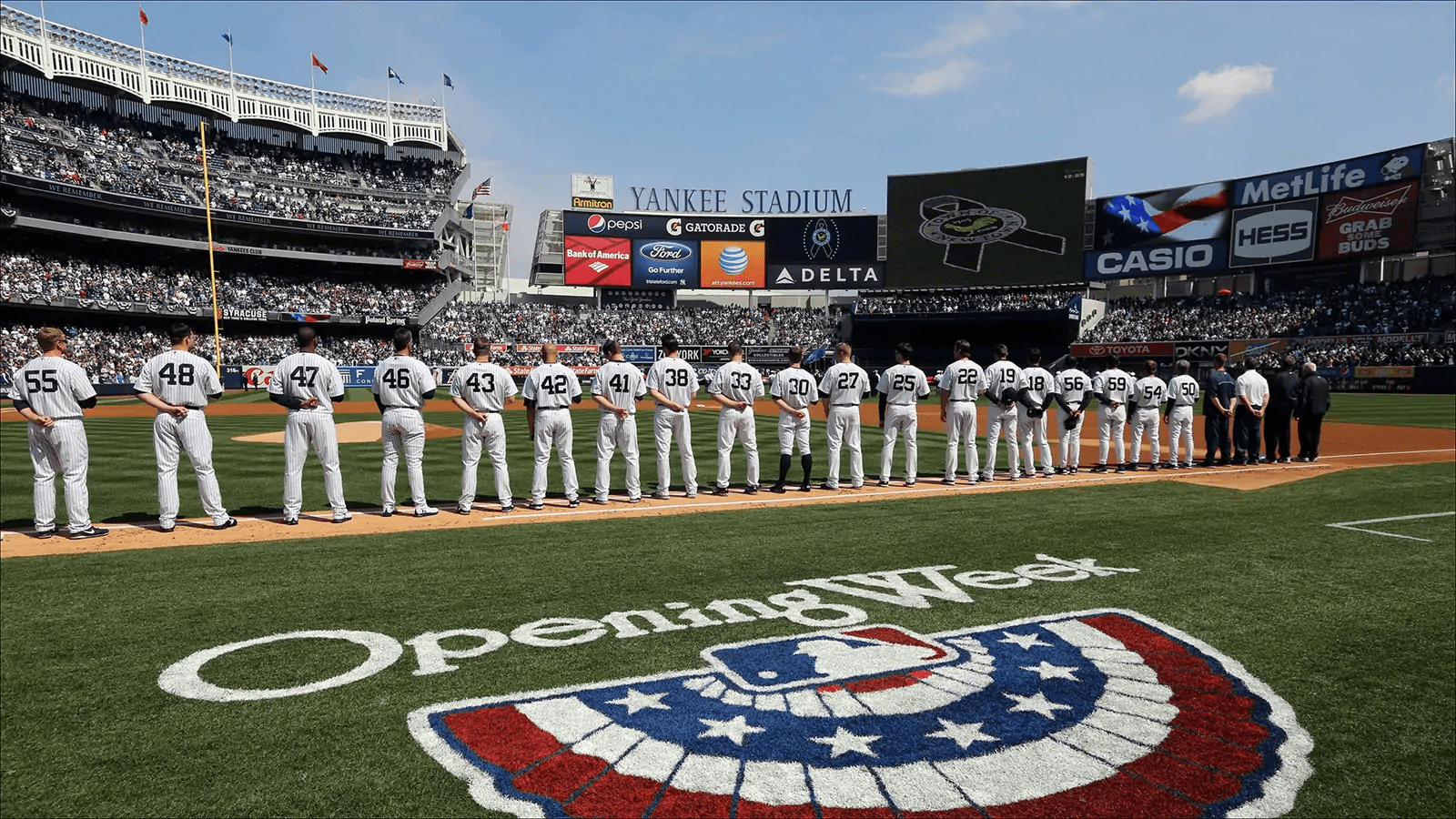
The New Yankee Stadium
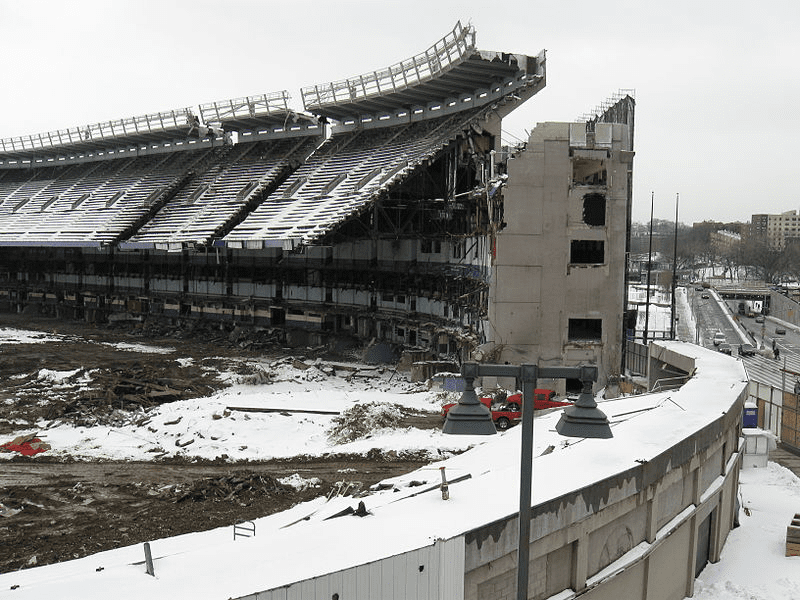
In 2006, construction began on a new Yankee Stadium, built near the original site, which was subsequently demolished.
The new stadium, completed in 2009 at a cost of $2.3 billion, was designed by Populous. While incorporating modern features, it retained elements reminiscent of the original. The field’s dimensions mirror the old stadium, and the exterior boasts 11,000 light-colored Indian granite blocks and precast concrete panels. Decorative V-shaped designs and golden letters adorn the gates. The interior features 2,000 photographs celebrating the Yankees’ history.
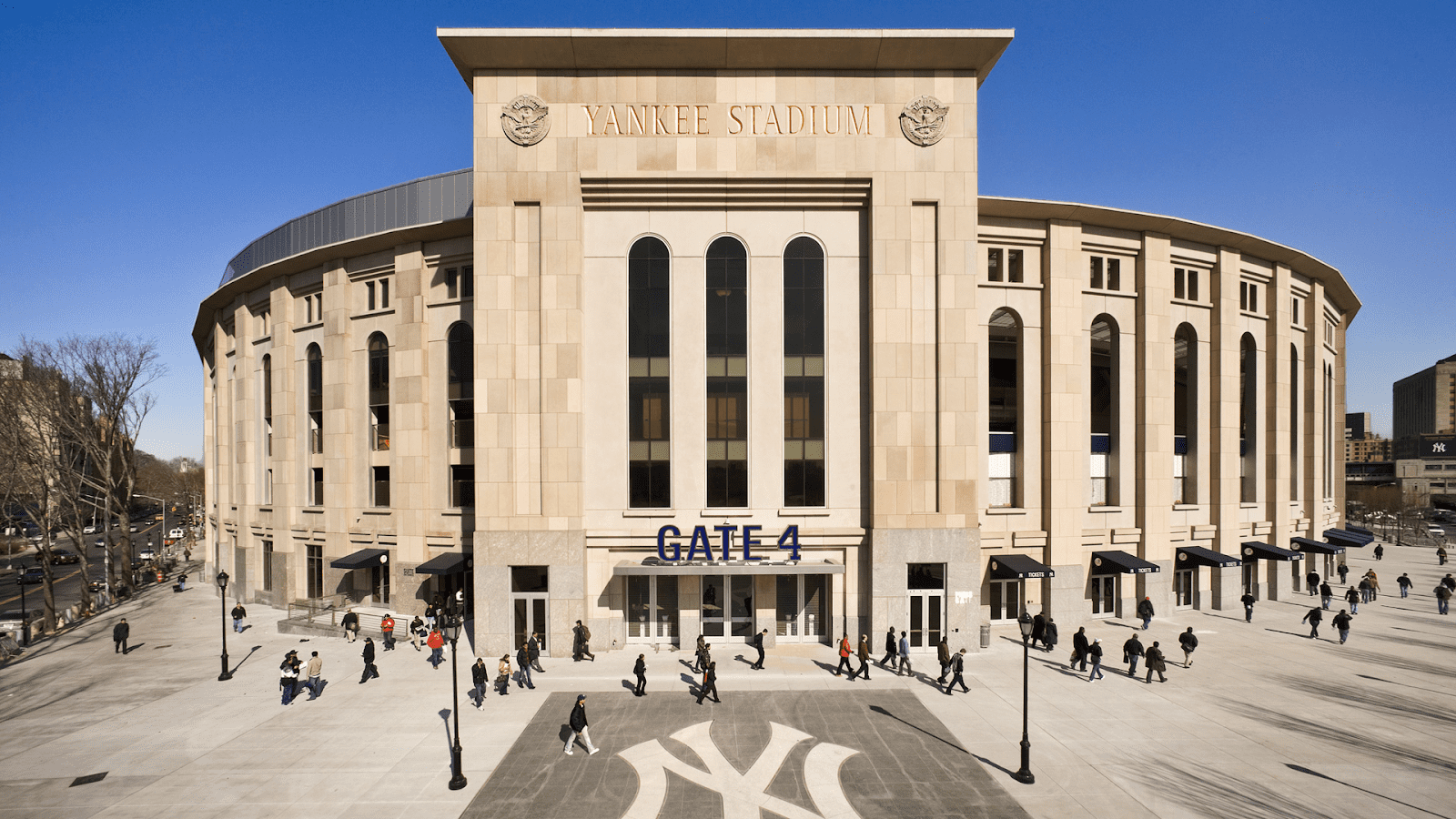
The stadium includes:
- 4,300 club seats and 68 luxury suites.
- A two-story lobby.
- Educational facilities for local students.
Today, Yankee Stadium is a world-class venue for baseball and concerts, hosting the New York Yankees and New York City FC. Tickets range from $41 to $72, and the stadium is located at 1 E 161 St, Bronx, NY 10451.
Go Yankees!
Yankee Stadium isn’t just a sports arena; it’s a cultural landmark where history is made, dreams come true, and fans gather to witness greatness. Ready to join the excitement?