

The Episcopal Church of the Mediator is a stunning Gothic Revival stone structure, impressive for its architectural beauty and artistic legacy. Yet today, its leadership faces a difficult decision: to continue the struggle to preserve history or to embark on a new chapter, embracing the modern world. The key is to not lose sight of what’s most important—faith and community—in the pursuit of the right choice. In this article on bronx-future, we’ll tell you about the challenging journey of this landmark in the Bronx.
From a Mid-19th Century Wooden Church to Today
The Episcopal Church of the Mediator is located at the intersection of Kingsbridge Avenue and West 231st Street, just a few blocks from bustling Broadway and the 1 train station. It sits like an oasis of calm and tranquility, surrounded by tall trees and flower beds, a reminder of a time when Kingsbridge and the surrounding areas were more rural.
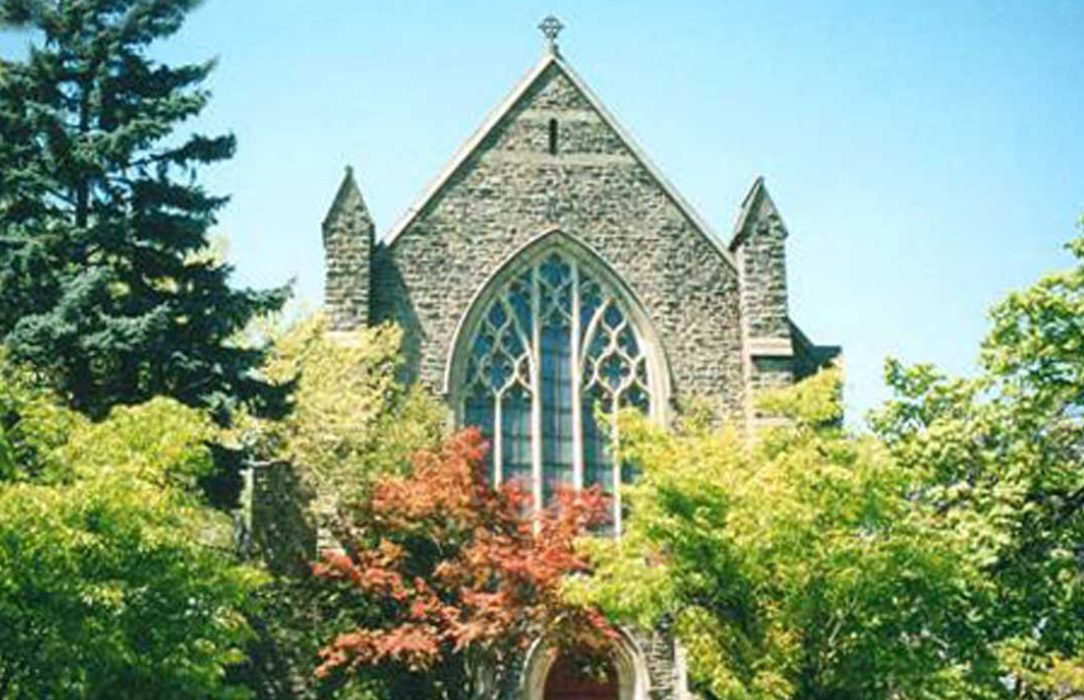
The first wooden church was built on this site in 1857. As the area and its congregation grew, the old building was replaced with the current one, which is 40 feet high and can accommodate up to 400 people. Construction of the new church began in 1906 and was carried out in stages.
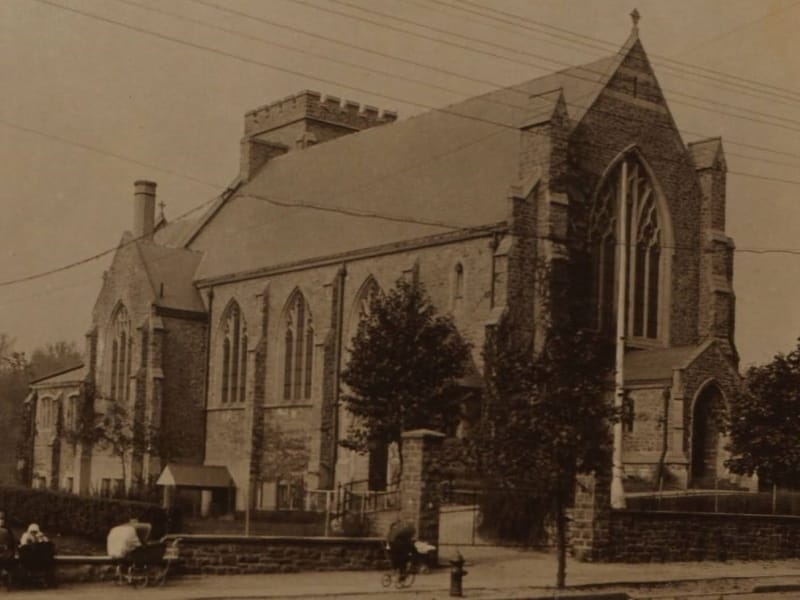
The architect was Henry Vaughan, a British master based in Boston, also known for his designs of the Washington National Cathedral and parts of the Cathedral of St. John the Divine. The Church of the Mediator is cruciform in shape, with a high nave, transept, chancel, and bell tower.
For its aesthetic appeal, harmonious proportions, and opulent interior, the church was nicknamed the “Little Cathedral of the Bronx” by Bishop William T. Manning. According to the Bronx Historical Society, the church’s construction was completed in 1914, and it was consecrated in 1927.
An Artistic Treasure
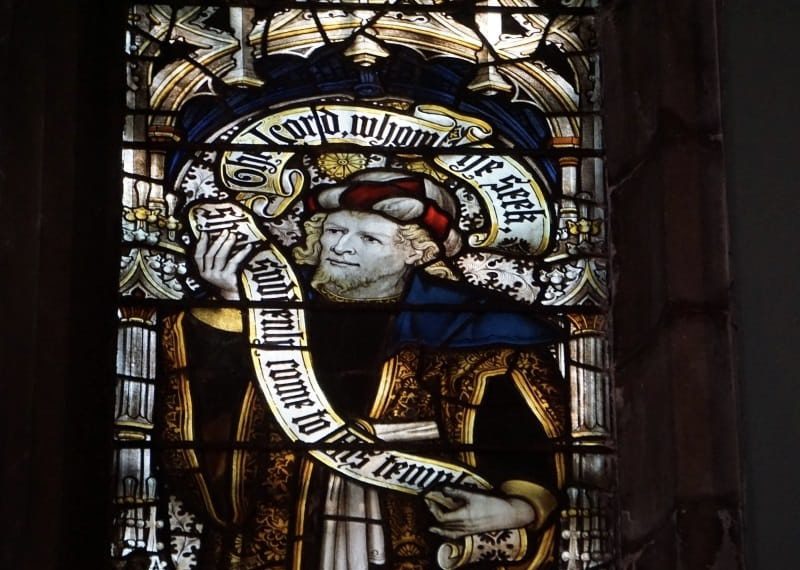
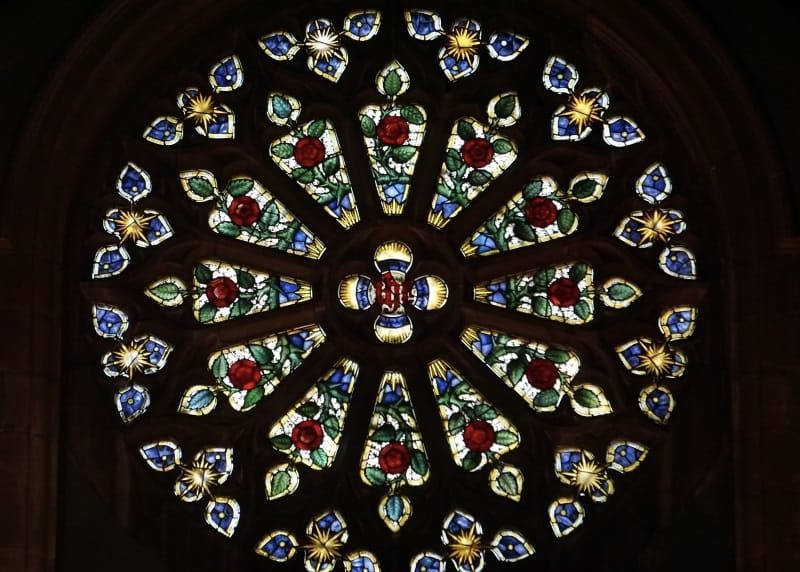
The building is renowned for its impressive collection of stained-glass windows, which were installed over many years. Among them are two memorial windows created by the Tiffany studio, which were unveiled in 1913. Dr. James Douglas and his wife, Naomi, donated these stained-glass windows in memory of their daughter Lily, who died of pneumonia at the age of 28.
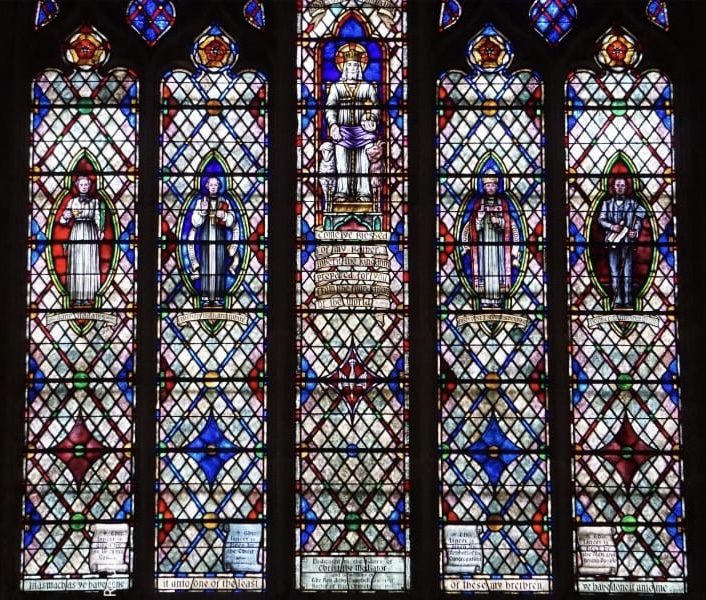
Some of the other stained-glass windows were made by the well-known London firm C.E. Kempe & Co., which specializes in medieval-style works. One of the windows created by Kempe is dedicated to Dr. and Mrs. Douglas. Dr. Douglas, a Canadian by birth and president of the mining company Phelps Dodge, was one of the wealthy members of the church whose generous donations helped adorn the church with high-quality works of art and supported its activities for many years.
There are also stained-glass windows that tell entire stories. For example, a large collection on the back wall of the nave honors the Reverend John Campbell, who served as the church’s rector from 1897 to 1937. Each individual stained-glass window is striking in its elegance and harmonious combination of shades, and together they create an incredible visual ensemble. The stained-glass windows in the Church of the Mediator depict not only religious figures but also such prominent individuals as Booker T. Washington and Jane Addams.
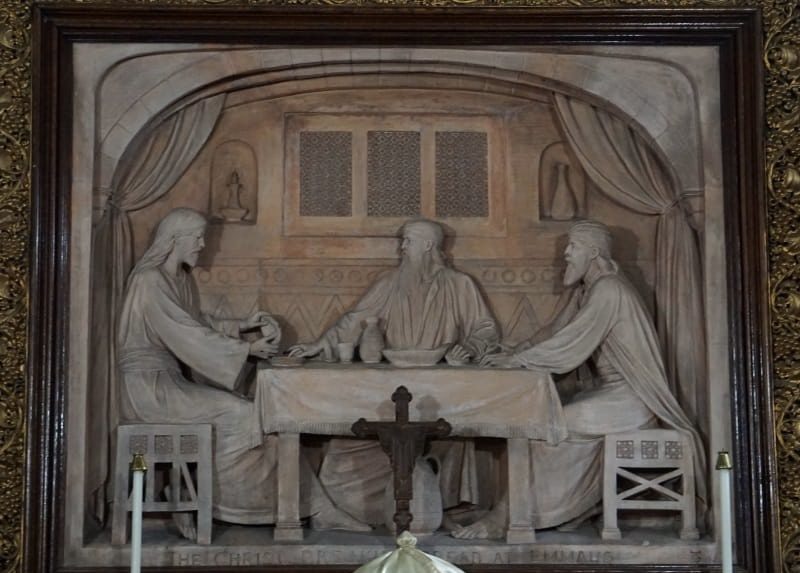
Near the altars are two terracotta plaques with reliefs created by George Tinworth, a British ceramicist whom critics call the “Rembrandt in clay.” It is believed that these are the only works by Tinworth in the United States and the last major pieces he completed before his death in 1913.
Read the article about the Bronx Museum of Art here.
Hard Times
Despite its beauty and long-standing service to the local community, even such sacred institutions face everyday problems. The first “warning bell” rang in 2009. At that time, in an interview, Pastor Diego Delgado-Miller noted that the church was in urgent need of a new roof and other renovations to update the building. The total amount of money needed at the time was about $5 million. The church also had a debt of over $600,000 and was struggling to cover its monthly expenses. The church’s external appearance, which was getting worse every year, testified to certain problems with funding and proper maintenance. Exposed bricks on the walls, chipped plaster, insufficient lighting, and other minor flaws together painted a rather pessimistic picture.
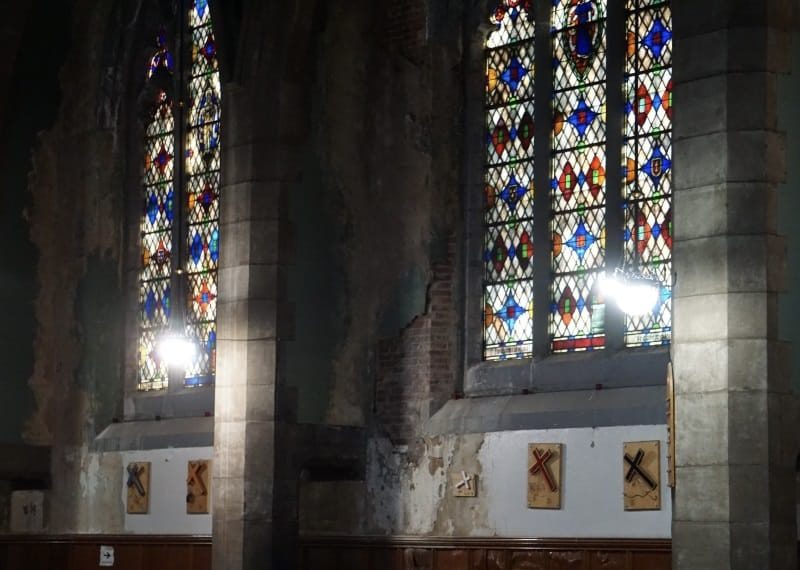
The Church of the Mediator did receive financial assistance and technical support from Trinity Church, which helped solve some of the current problems, but it was not enough. The building required major repairs, and an overhaul of the plumbing, electricity, etc. With each passing year, the church’s condition worsened, and its debts and expenses grew.
The Church of the Mediator has always tried to support the community as much as possible, holding various events and implementing charitable programs. Now it was the one in need of support and help.
The final blow was the pandemic, which also had a negative impact on the situation: most of the church programs were suspended or closed at that time. The church’s kitchen, fellowship hall, and courtyard were once always bustling with life. Every Friday, about 300 people came here to get food packages. Support groups for parents of children with special needs, a choir, a youth club, and other groups constantly met within the church’s walls. After the quarantine, it was extremely difficult to return to the way things were, although food programs are still being implemented, albeit not to the same extent as before.
The Episcopal Church of the Mediator is not a New York City landmark, which is why it receives so little attention from the government and public organizations. In 2022, it became clear that a final decision on the building’s future had to be made.
The Real Threat of Demolition
After many years of financial difficulties and unsuccessful attempts to restore its former activity, the church leadership concluded that maintaining the building was too expensive. The budget needed to restore the church’s infrastructure is currently estimated at $20 million. This prompted the leadership to begin considering options for constructing a new building. This estimate did not include potential modernizations, such as insulation, the addition of new elements or structures, or technical equipment. The $20 million only covers bringing the general building into proper condition, replacing the electrical system, heating, and plumbing.
“Yes, we can save the church by investing a huge amount of money in repairs, but that will not provide us with financial stability,” said Matthew Ford, a junior warden of the church.
But the fight is still on. Local residents took the news of the church’s possible demolition very hard. Community board member Debbie Allen noted that many people rely on the Church of the Mediator’s food ministry because they can receive food anonymously. She emphasized that the church is an important place not only for food distribution but also for groups like Alcoholics Anonymous, which can meet there in a safe environment.
However, the chances of preserving the building and allocating a huge sum for its repair are very slim. The church has already notified organizations that use its premises, including the local Girl Scouts Club, about the possibility of demolition. The leadership aims to provide temporary locations for worship services and meetings for these groups.
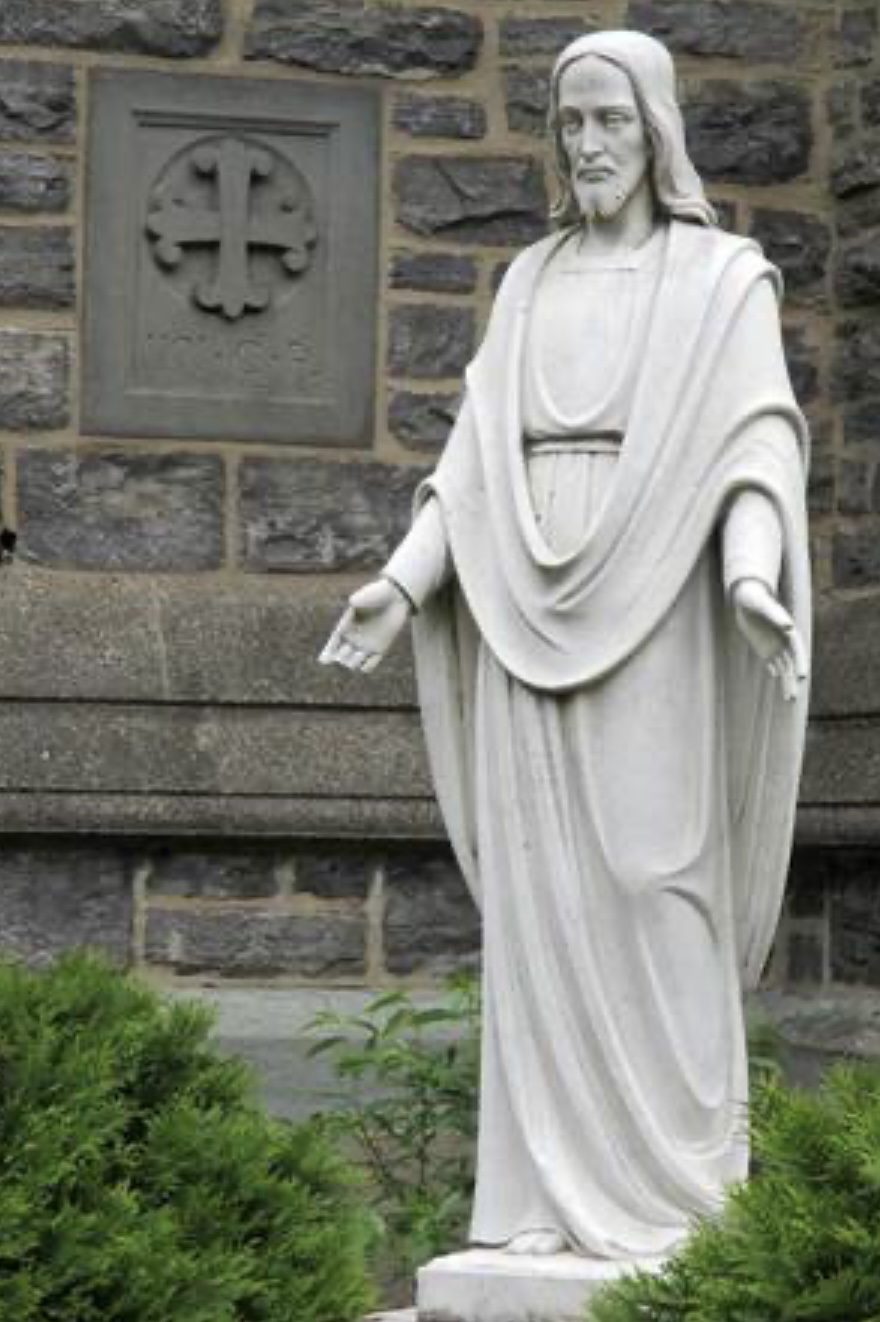
Senior Warden Sadler noted that the probability of the historic building’s demolition is very high, but it does not mean the end of the church’s mission. He stressed that the church is not just a building but, first and foremost, the people who are in it.
On September 29, 2024, ten elected church leaders voted on the issue of demolishing the church: four votes were for, three against, two abstained, and one was absent. The diocese confirmed the results of the vote. But there is always hope. So, perhaps some patron or benefactor will appear who will not allow the destruction of the long-standing historical and artistic heritage that the Episcopal Church of the Mediator represents.
Read the history of another architectural landmark in the Bronx here.