

You might think that modern, fast-paced New York City and the graceful, refined architecture of Italy are a complete mismatch. But in the Bronx, there’s a place where you can not only enjoy a landscape reminiscent of a picturesque Italian postcard, but also buy a home inside a genuine villa that will celebrate its 100th anniversary next year. In this article, bronx-future will tell you the story of how and by whom this unique building was constructed, the tragic fate of a related Italian villa, and the current cost of living in an elite apartment inside this extraordinary complex.
A Visionary’s Story
John G. McKelvey was a fascinating and well-rounded individual. He was a lawyer, an author, and a real estate developer. With diverse interests, he was the first editor-in-chief of “The Harvard Law Review,” wrote books, and ran businesses in forestry, insurance, and railroads. McKelvey lived in the Bronx and, like most of his neighbors, was concerned about what was happening in neighboring Manhattan in the 1910s. The city was rapidly expanding, with a huge wave of new high-rises appearing in northern Manhattan, which was beginning to spill over into the Bronx. McKelvey called those new neighborhoods the “ugly city,” as he had a refined and sophisticated taste, especially for architecture. John feared that the wave of mass construction would eventually swallow up his beloved little town by the river. With the support of other landowners, he began buying land and selling it only to those he trusted not to turn it into monstrous apartment buildings. In the early 20th century, there was a popular “City Beautiful” movement, which aimed to bring aesthetics and grandeur back to the urban environment. McKelvey was an active member and supporter of this movement.
John McKelvey’s answer to the new construction trends in New York was to create cooperative apartments, similar to villas, with individual duplexes and triplexes. In 1924, he built his first complex, Villa Rosa Bonheur—a large cottage with seven cooperative apartments that offered a beautiful view of the Harlem River. Then in 1926, McKelvey commissioned architect Robert W. Gardner to design the Villa Charlotte Bronte, consisting of two symmetrical buildings separated by a central courtyard with a stunning view of the Hudson. McKelvey’s children, Louise and John, recall that their father loved literature and especially valued Brontë’s work, which is why he named his second villa after the famous English poet.
Read the article about a 19th-century architectural landmark in the Bronx here.
Elegant Design and Unique Layouts
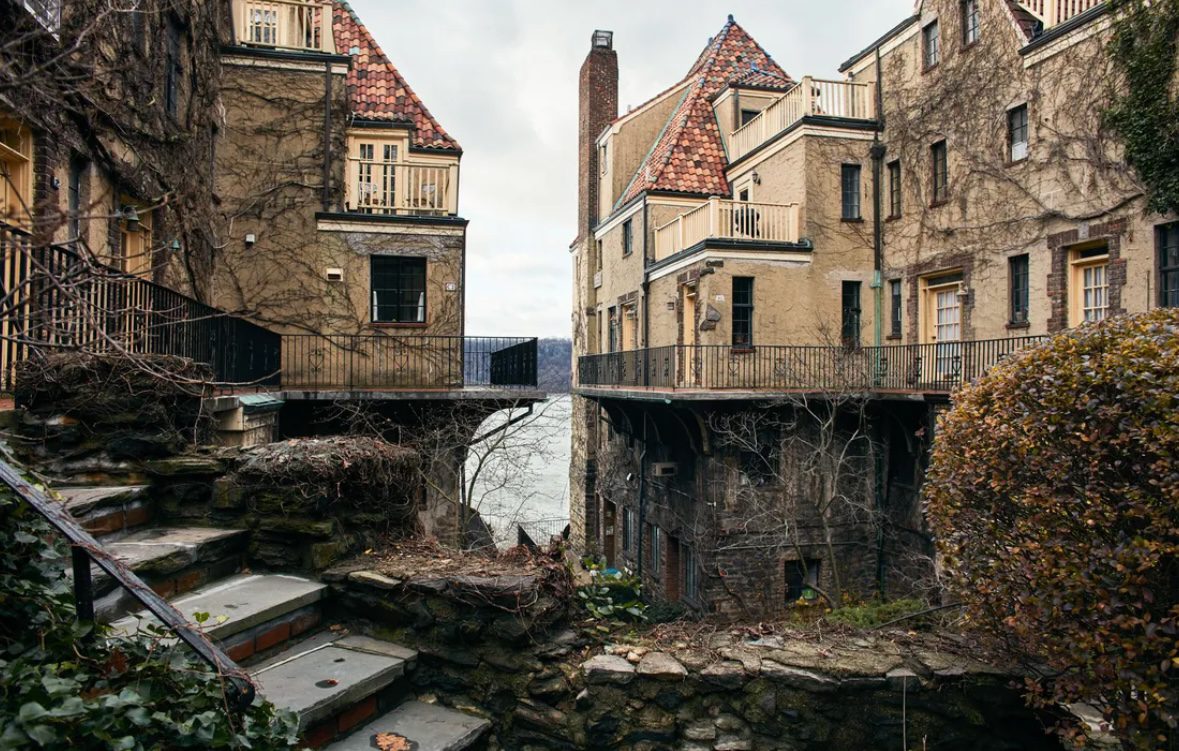
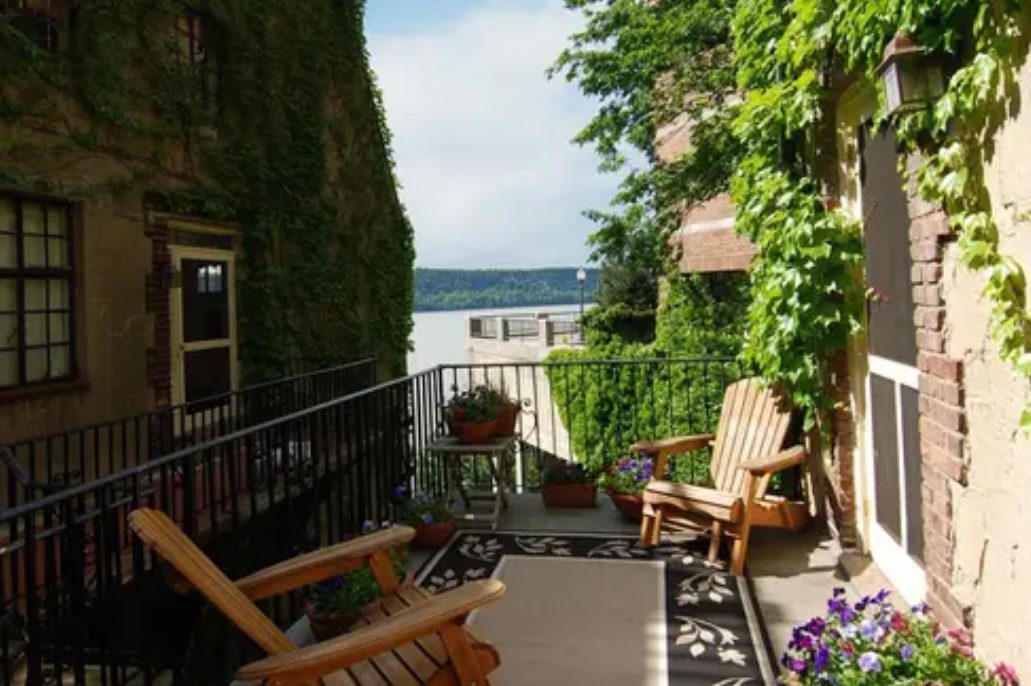
These two buildings resemble a whimsical sandcastle on the Amalfi Coast. They stand in stark contrast to the traditional image of New York, and their location creates a romantic, almost magical atmosphere.
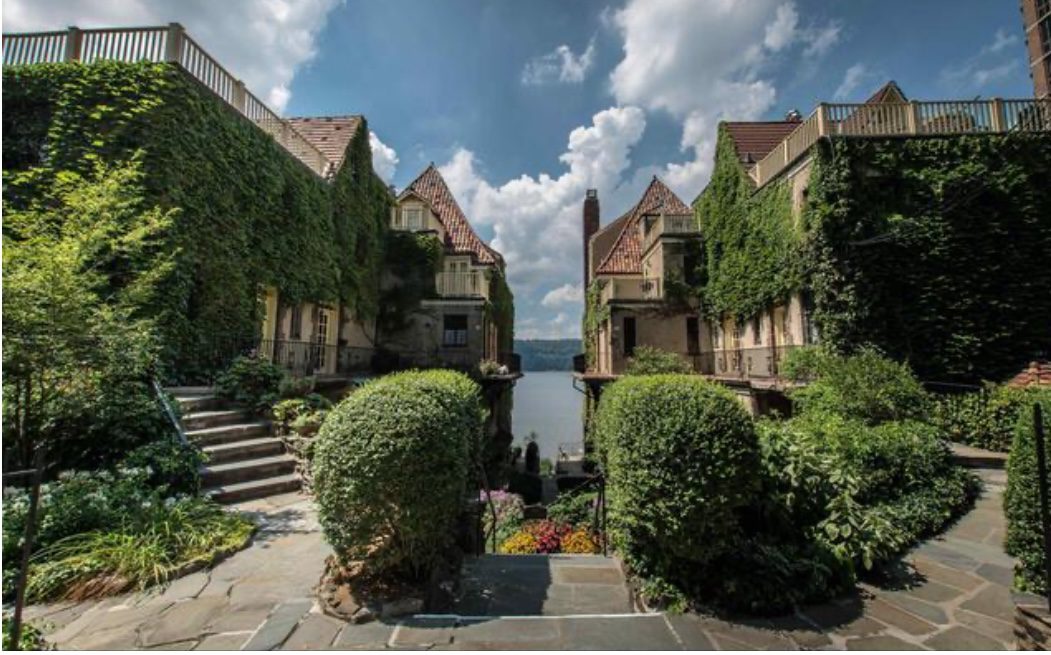
The Italian villa-style buildings contain 17 cooperative apartments connected by pathways, staircases, and stone arches. Architectural elements include protruding bays, balconies, and sash windows. The exterior is made of stucco, brick, and stone, complemented by multi-colored tiled roofs. Each apartment features a wood-burning fireplace, a unique, non-repeating layout, and a different view of the Hudson River. The complex is surrounded by lush, picturesque gardens.
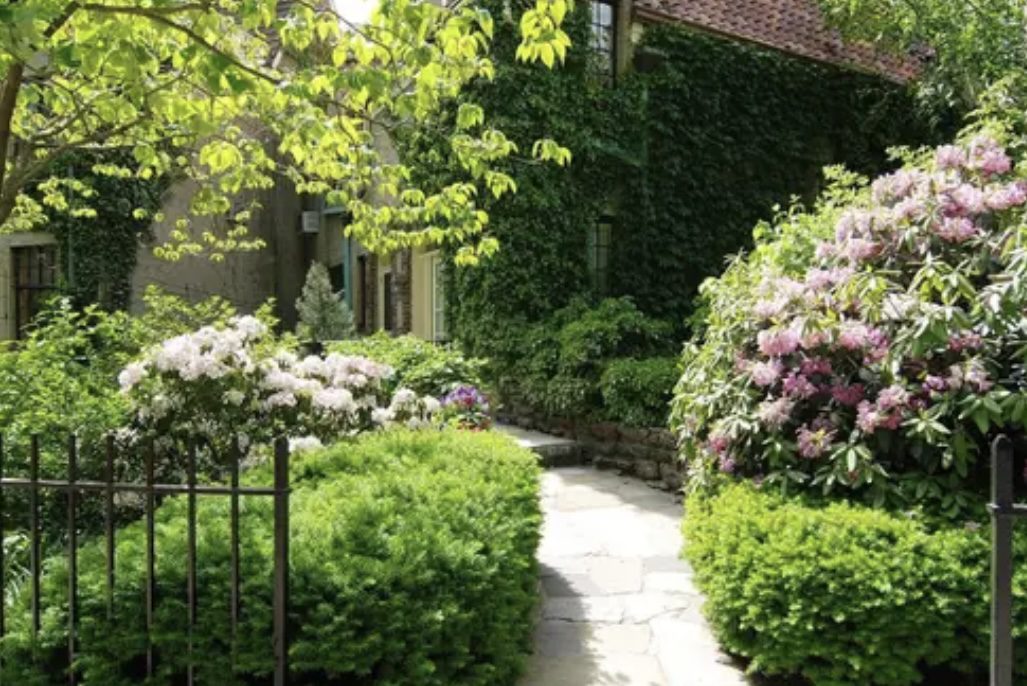
There are no shared corridors; each apartment has its own exterior entrance. However, access can be somewhat tricky, as the villa is located just below the top of a hill. For example, to get to one of the apartments, you have to go down the stairs toward the river, turn right, and then go up another set of stairs. The upper apartments can be reached by a funicular or via long balconies that run along the facades.
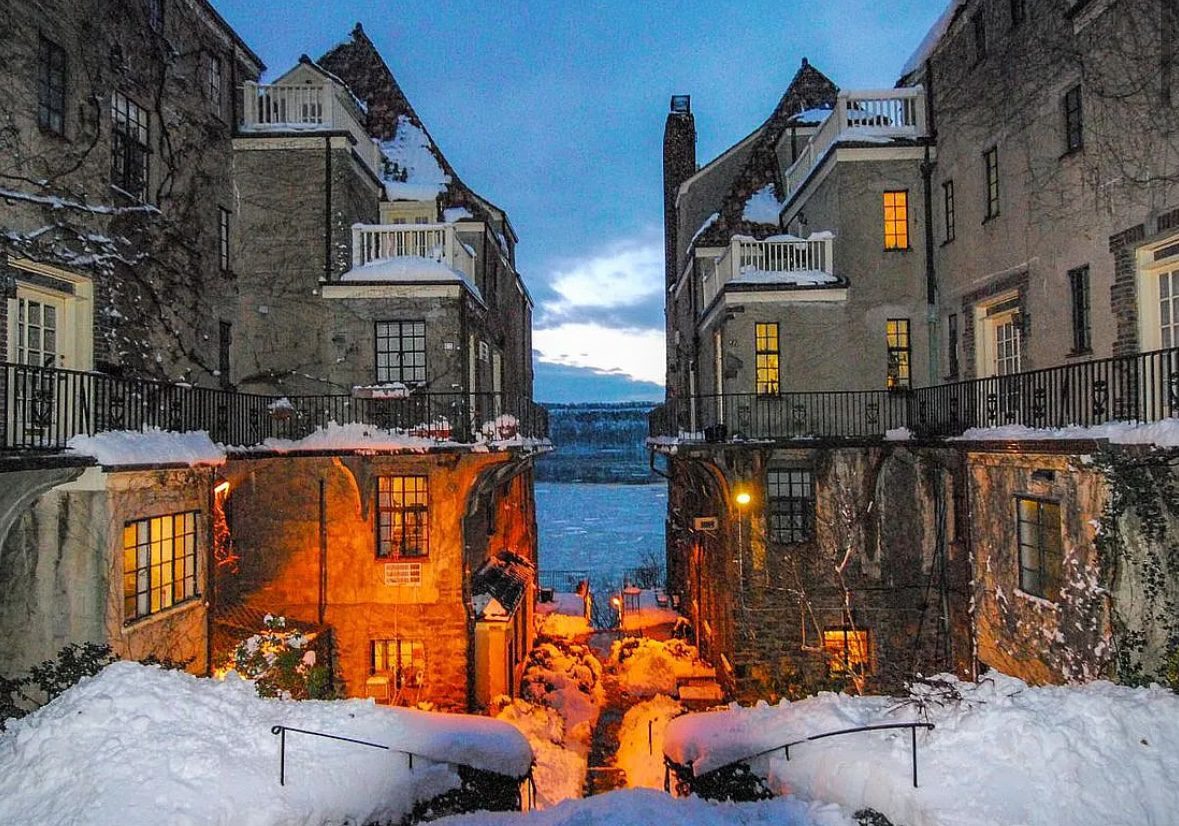
This experiment by McKelvey has similarities to the “garden apartments” that began to appear in the Bronx in the 1920s. But unlike those practical complexes, the Villa Brontë is more about aesthetics, ambiance, and a sense of wonder. As McKelvey himself once noted in an advertisement, “If you can look at this spectacle from the top of the cliff without enthusiasm, you are destined for stuffy rooms, not for this precious place.”
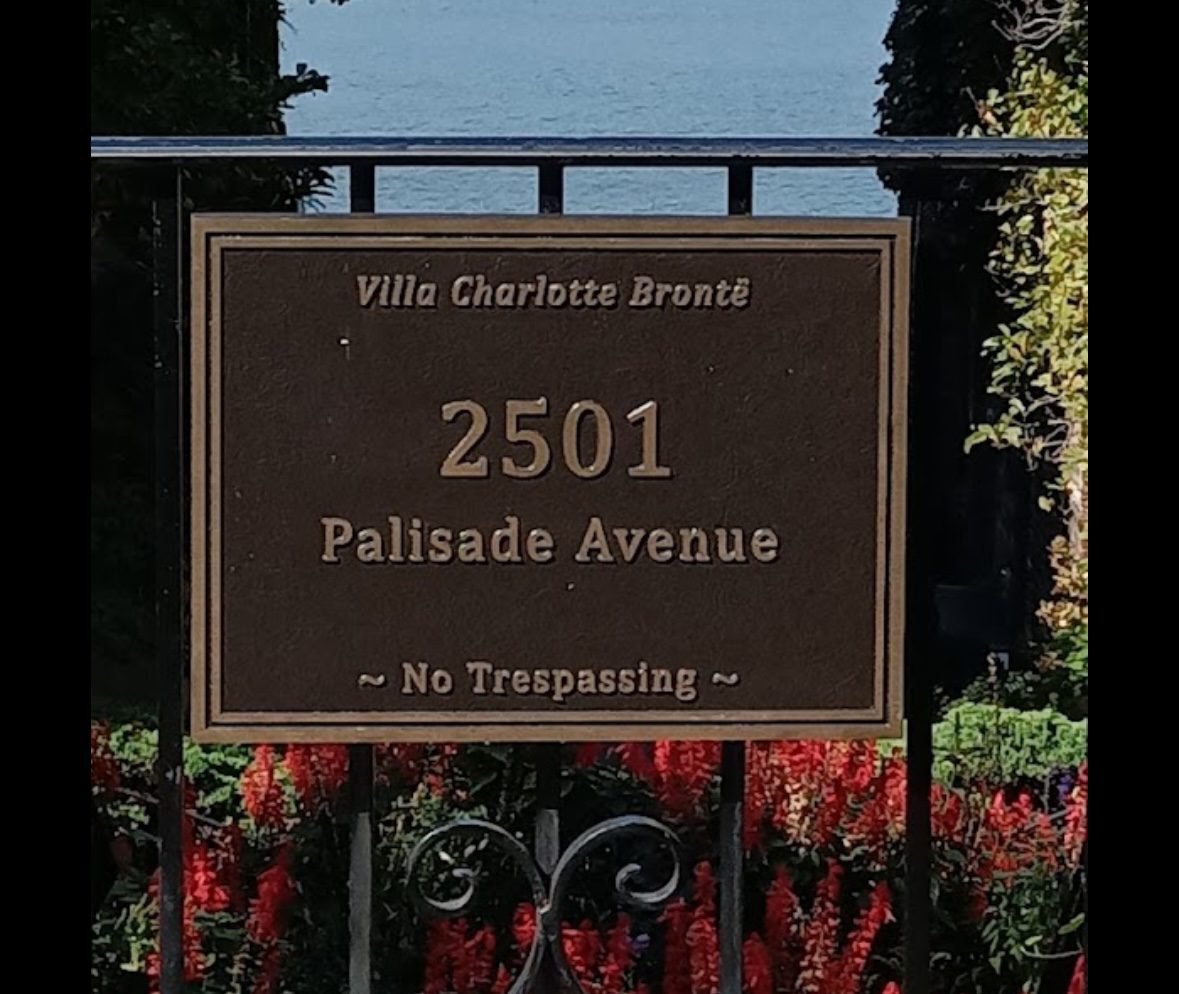
The Fate of its “Sister,” Villa Rosa Bonheur
If McKelvey were alive today, he would be heartbroken to learn the fate of his first villa, Rosa Bonheur, into which he poured his heart and soul. For decades, his two “beauties”—Charlotte and Rosa—adorned the rugged hill along the river. Today, only one of the sisters remains: the Charlotte.
In the 2000s, Robert Rabinowitz, a man known for his involvement in Beatlemania, bought the villa. He owned it until his death in 2016. The following year, the Manhattan-based company Timber Equities purchased the villa for $2.6 million, which sealed its fate. In early 2018, the Department of Buildings issued a permit to demolish the interior for a renovation. The plan was to convert the seven apartments into eleven. However, when work began, local residents noticed that it wasn’t limited to just interior renovations.
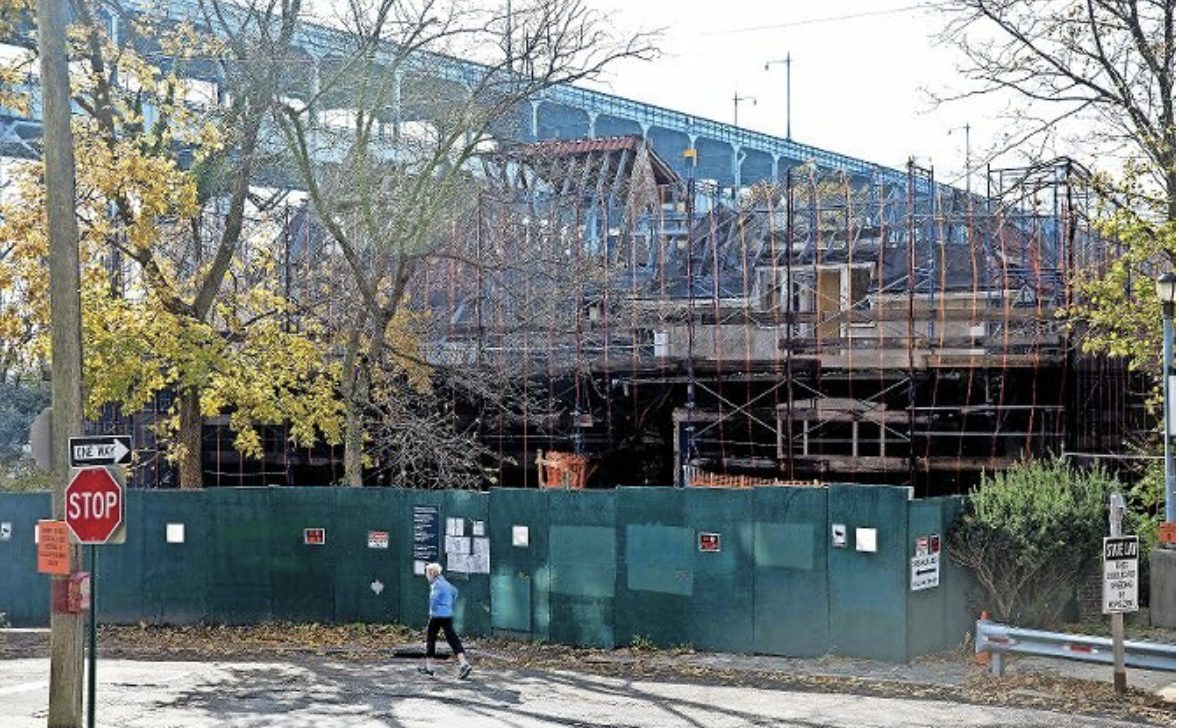
Construction crews were removing the terracotta roof and tearing down the exterior walls. In August of that year, the Department of Buildings issued a stop-work order to Timber Equities because the work being done did not match the permits they had received. But after some time, work resumed. In the fall of 2018, public concern grew into a full-blown protest. Timber Equities argued that the villa, like many other buildings built before the 1980s, contained dangerous asbestos, posing a serious health risk, including the risk of lung cancer.
Over the next two years, the conflict between Timber Equities and residents, community board members, and elected officials escalated. As the villa slowly crumbled, graffiti with “Shame” and “Restore me” appeared on the fence around the property. But the community’s pleas to the city went unanswered. New permits were issued, providing the basis for the complete demolition of the villa to build a new, modern residential complex with 55 apartments. The project was completed in 2021, and the complex was named The Henry.
This story highlights the problem of preserving historical landmarks in modern cities, where commercial interests often outweigh cultural heritage.
Who Can Afford to Live in an Italian Villa?
The Villa Charlotte Bronte is a favorite among local realtors. Perched on a cliff overlooking the Hudson River, it’s considered one of the most desirable places to live in the city. Yet, apartments in this complex with its pitched roofs, arched staircases, and courtyards rarely come on the market. However, two properties from this villa were recently put up for sale at the same time.
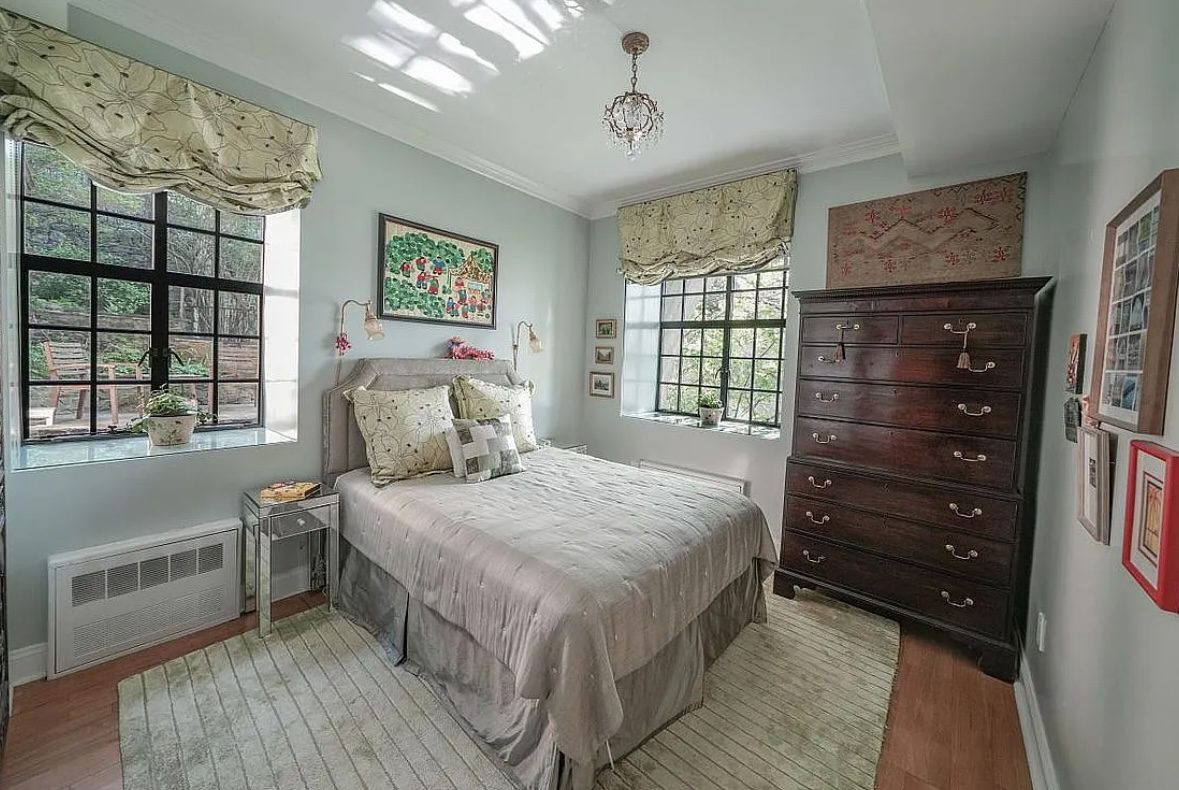
Pamela Trebach of Trebach Realty noted that her $1.39 million deal was finalized in just two weeks. She quickly sold a three-bedroom duplex with southern and western exposures and a panoramic deck overlooking the Palisades and Palisades Avenue. The monthly maintenance fee for such an apartment is about $2,000. Pamela received numerous inquiries immediately after the townhouse was listed. One potential buyer from Brooklyn said it was the only complex that would make him consider moving back to Riverdale.
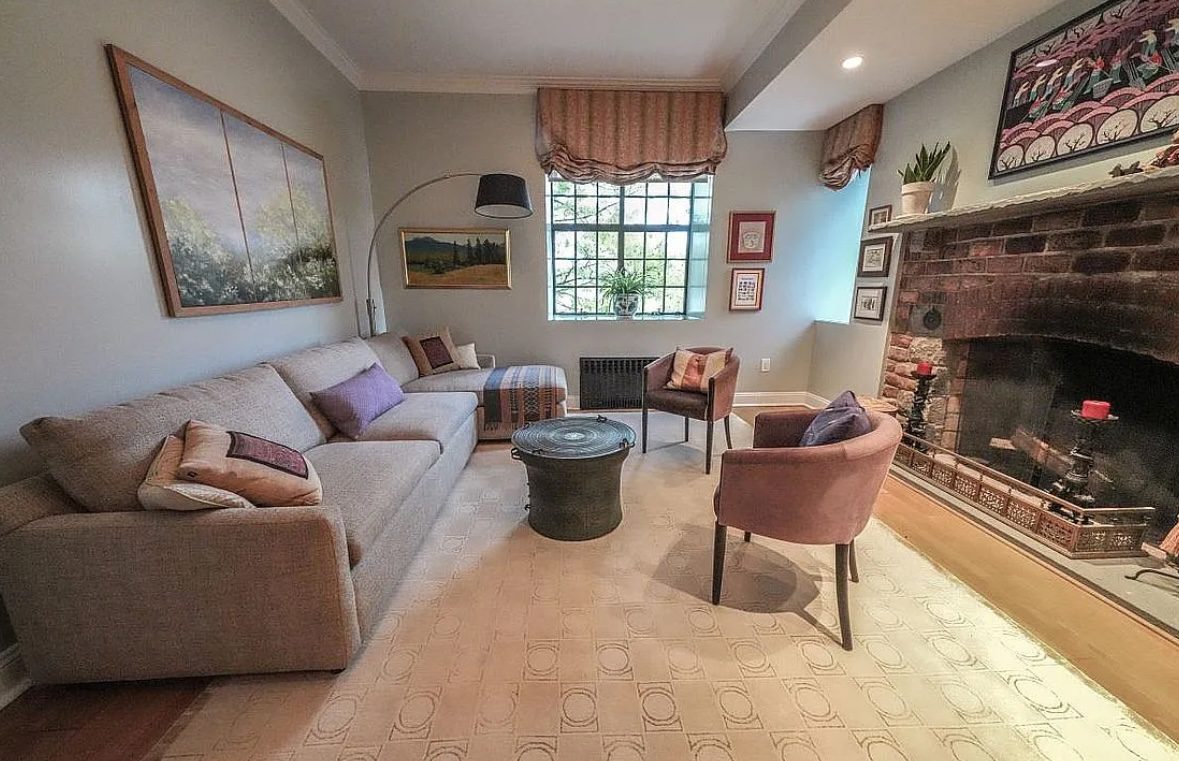
Also on the market was a three-bedroom triplex for $1.34 million with a monthly maintenance fee of about $1,900. This home also sold very quickly. Prior to this, the last apartment in the Villa Charlotte Bronte was sold four years ago—a five-bedroom triplex for $1.87 million.
Read about another, more modern, residential complex in the Bronx here.